



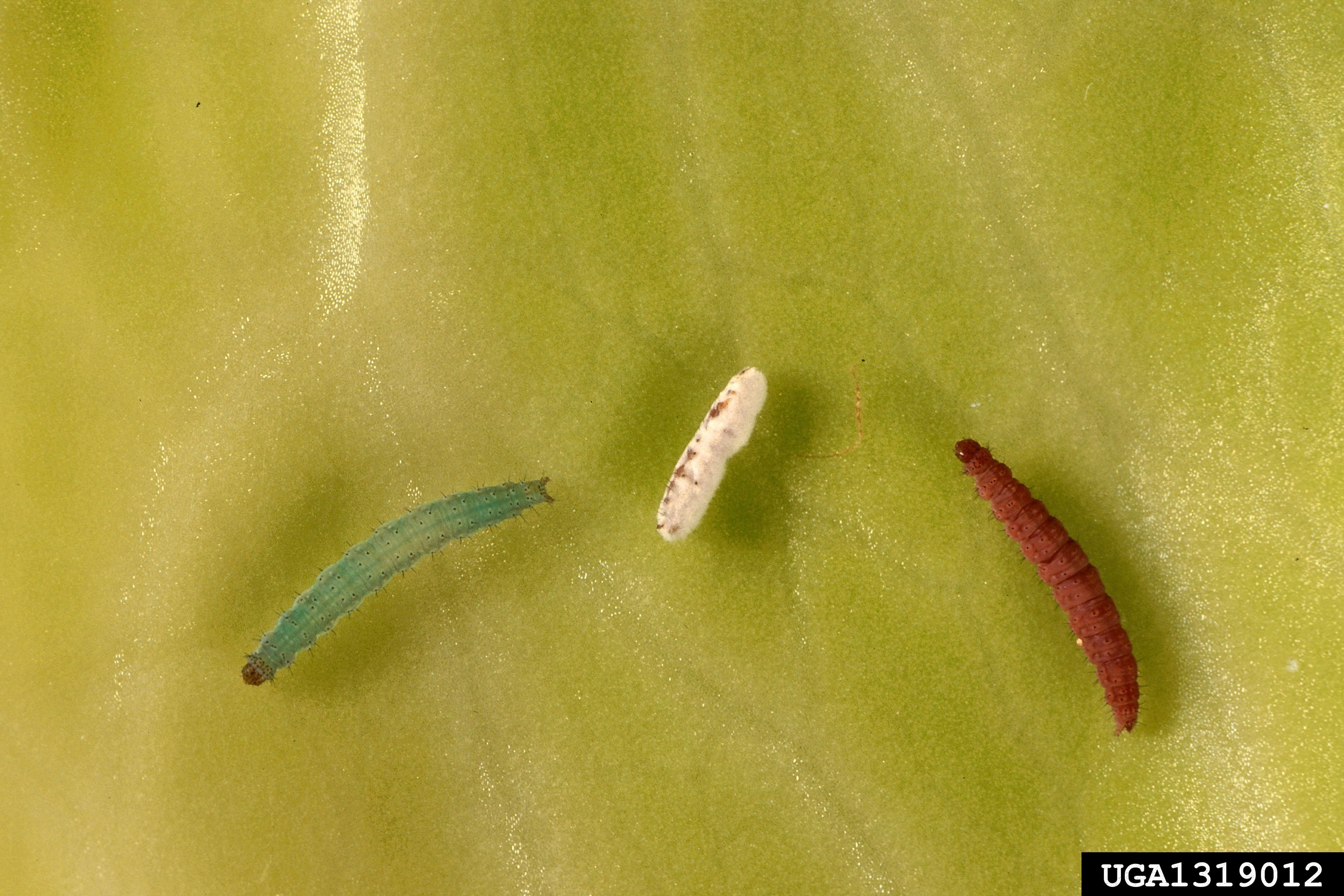
Bacillus thuringiensis — Bt for short — is a naturally occurring soil bacterium and a caterpillar specialist. Caterpillars eat the sprayed leaf, stop feeding within hours and die a day or two later. It does nothing to anything else, which makes it one of the safest controls going.
Which pests does it manage?
- Caterpillars — cabbage white, cabbage moth, loopers and their relatives
The garden strain of Bt (kurstaki) affects only caterpillars. It won't harm bees, ladybirds, pets, people or your other plants.
How do I use it?
- Mix to the label and spray onto the leaves the caterpillars are eating.
- Cover both sides of the leaf — the caterpillar has to eat it for it to work.
- Spray late in the day; Bt breaks down in sunlight.
- Reapply weekly while caterpillars are active, and after rain.
What's good about it?
- Completely specific to caterpillars — safe for bees, pets, people and beneficial insects.
- Accepted for organic gardens.
- One of the safest sprays you can use on food crops.
What's the catch?
- Only works on caterpillars — no use against aphids, beetles or bugs.
- Caterpillars have to eat it, so timing and coverage matter.
- Breaks down quickly, so it needs regular reapplication.
For a caterpillar problem on food plants, Bt is about as safe as it gets. For the bigger picture, see our guide to managing pests safely.
Plan your patch: our free garden calendar shows what to plant now where you live. Ready to grow? Browse our raised garden beds or build your own with the garden bed builder.
Image: Merle Shepard, Gerald R. Carner & P.A.C. Ooi, CC BY 3.0, via Wikimedia Commons.