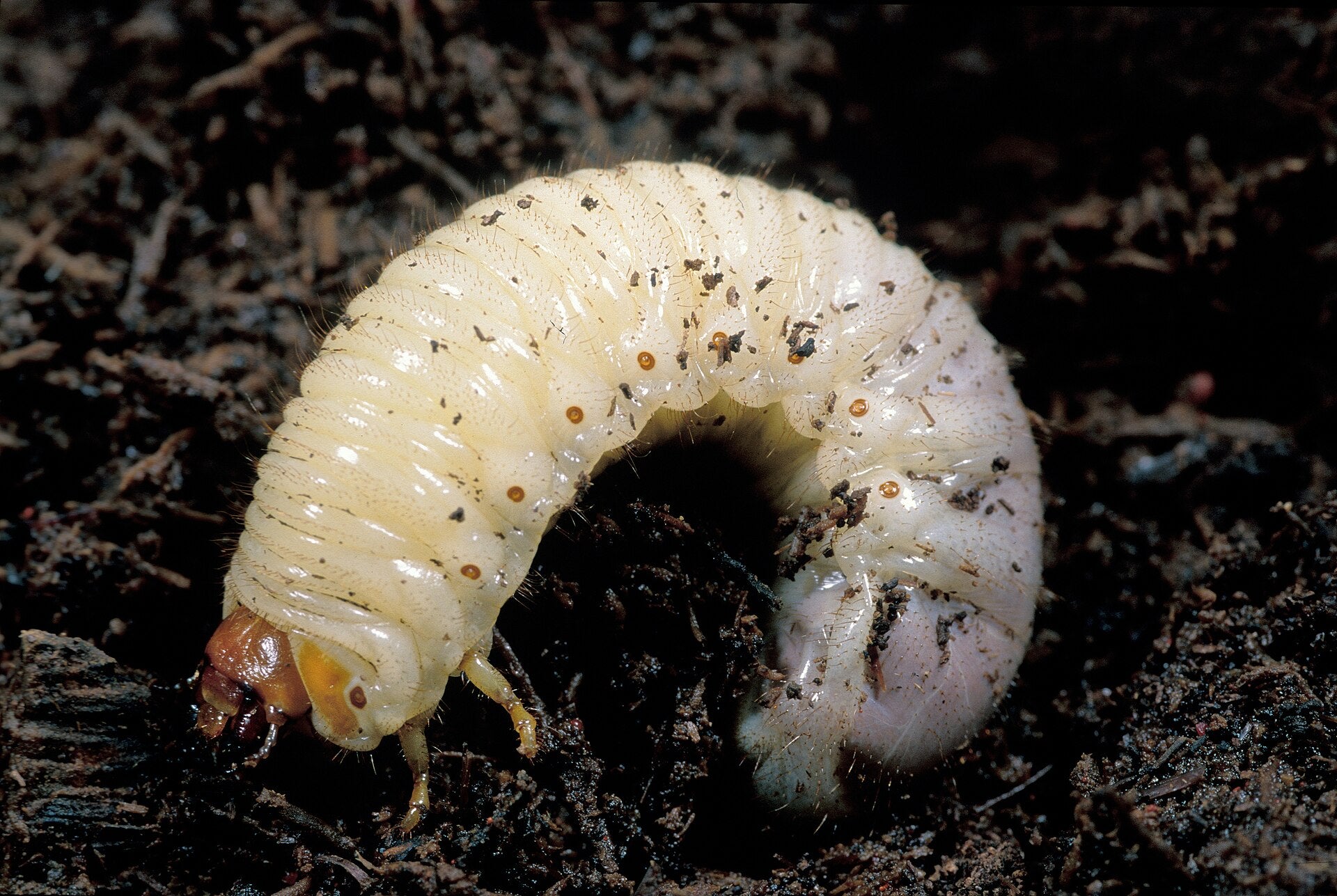
What are curl grubs, and what do they do to my garden? Curl grubs are the larvae of scarab beetles β Christmas beetles, African black beetles and their cousins. They're...
Bugs you can safely ignore (or even thank) β Back to the Garden Trouble CalendarNot every bug in your raised bed is out to get your...
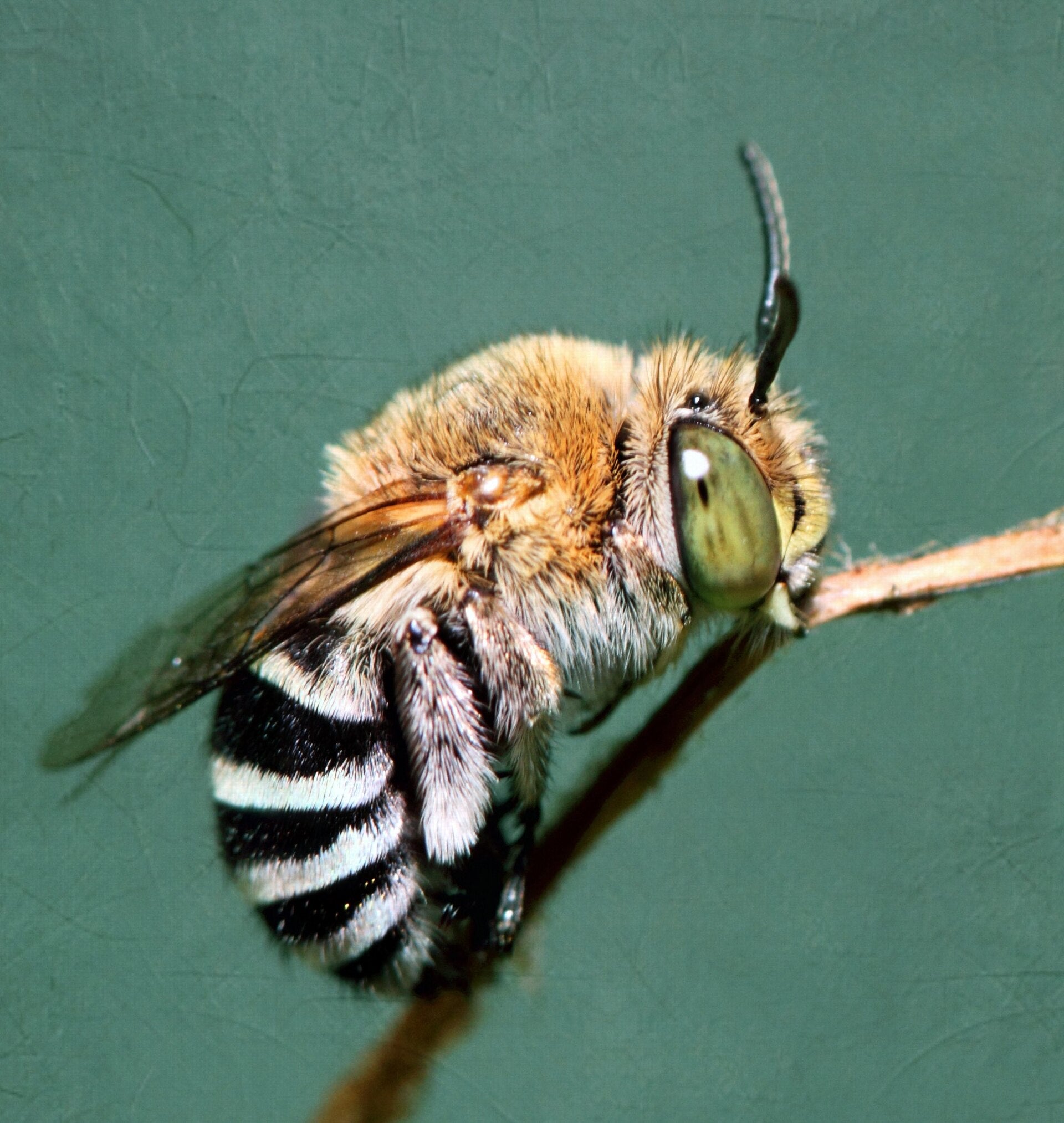
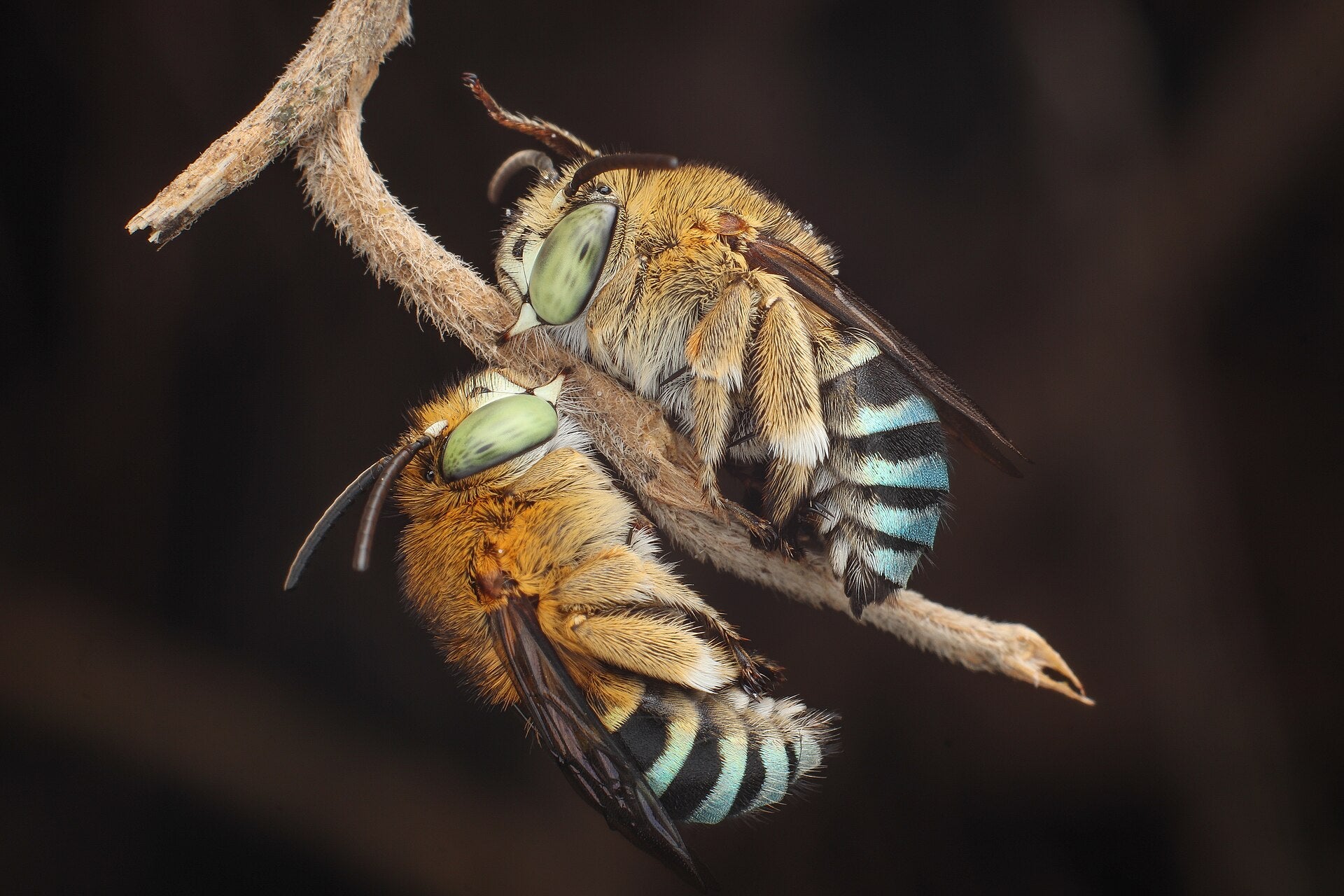
Australian native bees: your best (and cutest) pollinators β Back to the Garden Trouble CalendarYou'll know the blue-banded bee by its shimmering blue stripes and fast,...
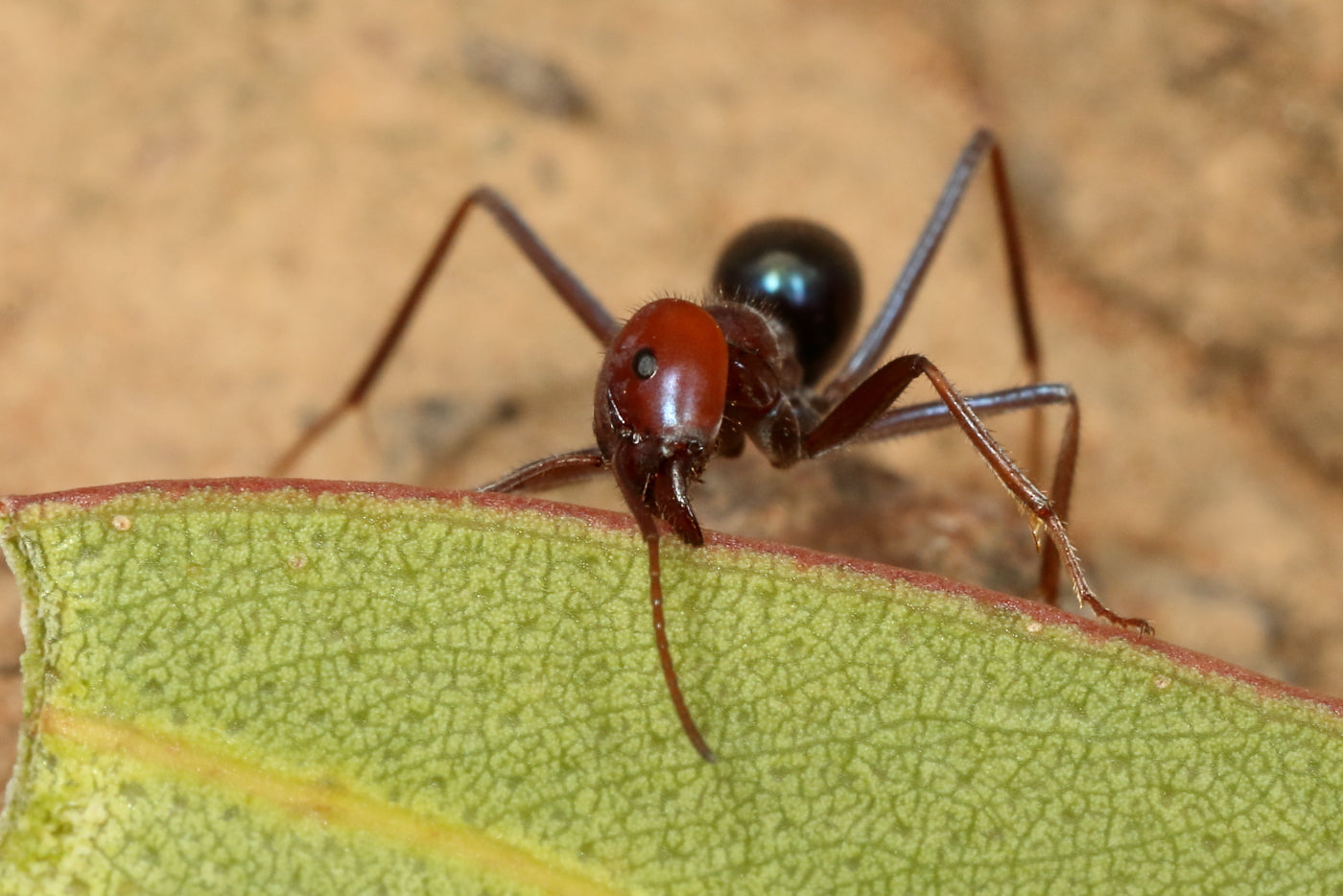
Ants: mostly fine β but watch who they're farming β Back to the Garden Trouble CalendarAnts march through every garden, and on their own they're not much...
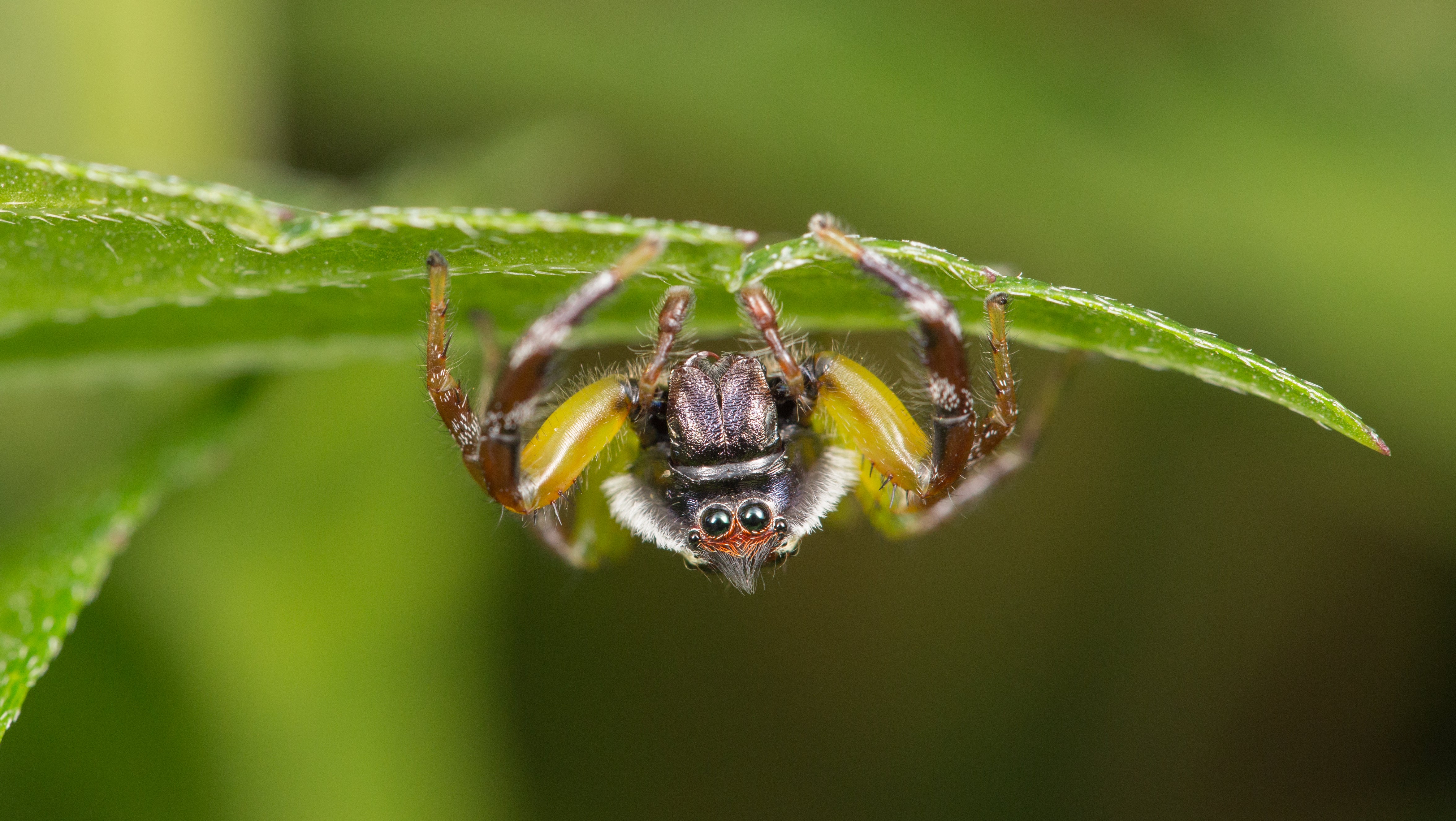
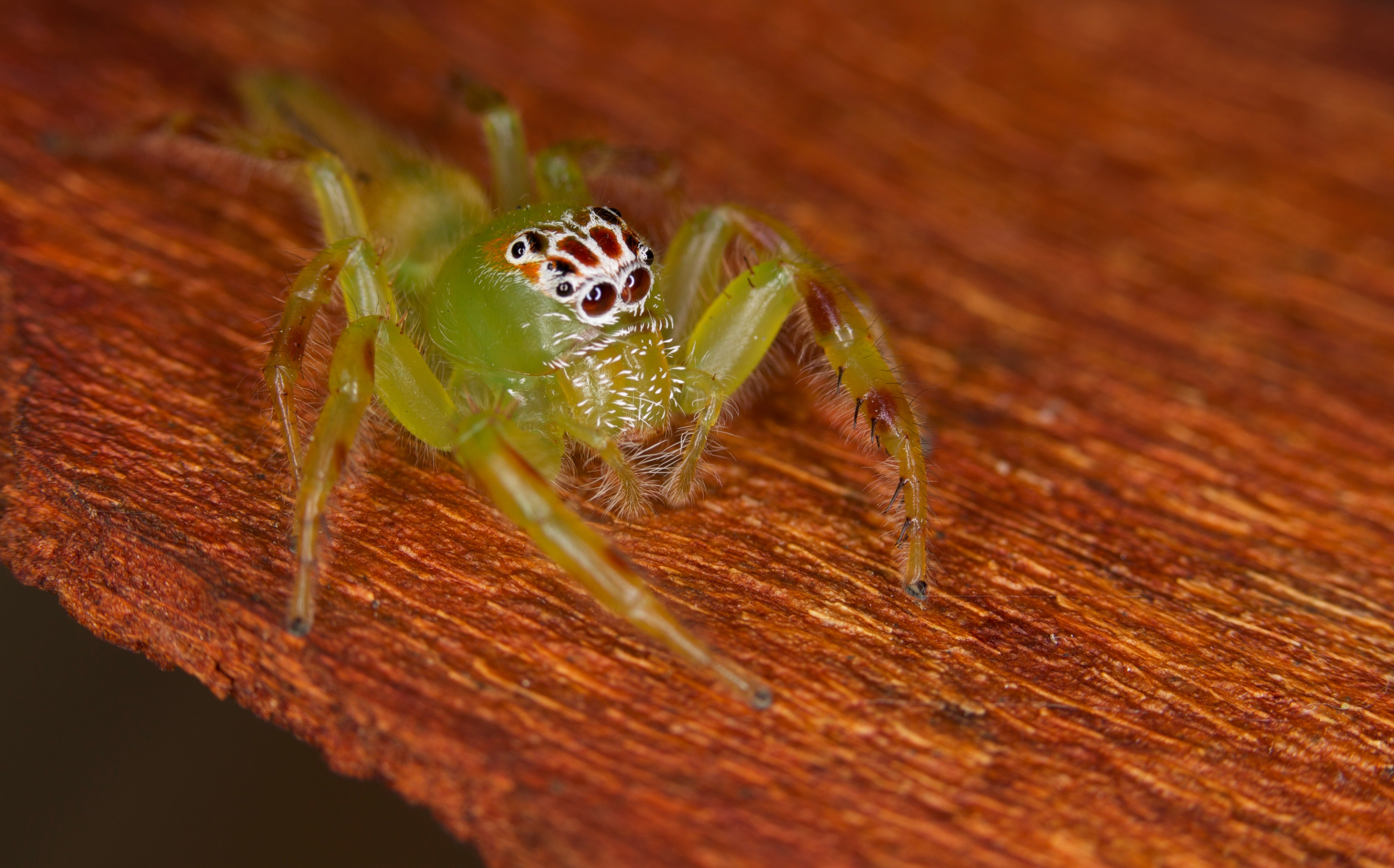
Spiders: the pest patrol you didn't hire β Back to the Garden Trouble CalendarA dew-strung web across the bed at dawn, or a tiny jumping...
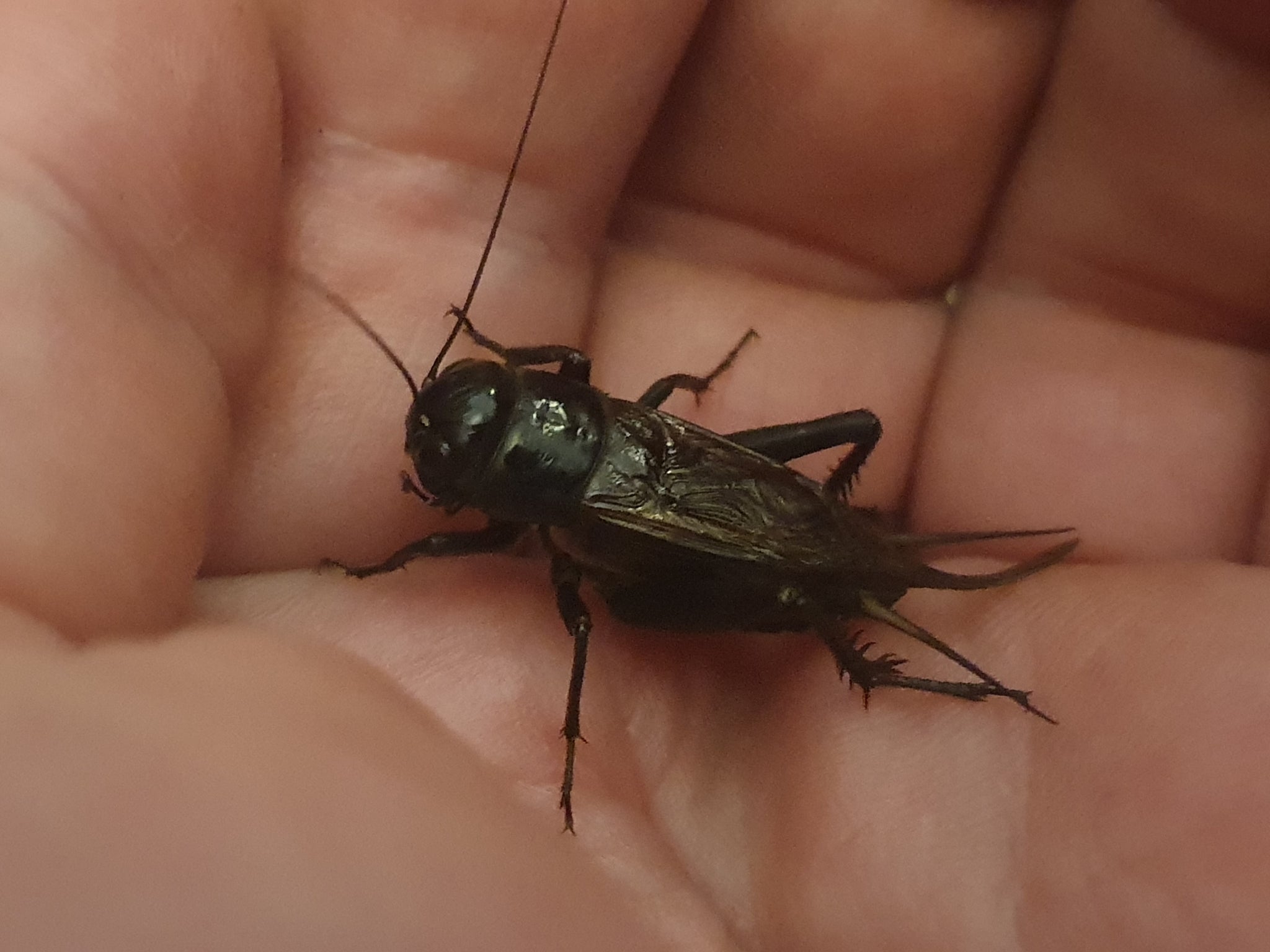
Crickets: noisy neighbours, minor nibblers β Back to the Garden Trouble CalendarThe chirp of a cricket on a warm night is the soundtrack...
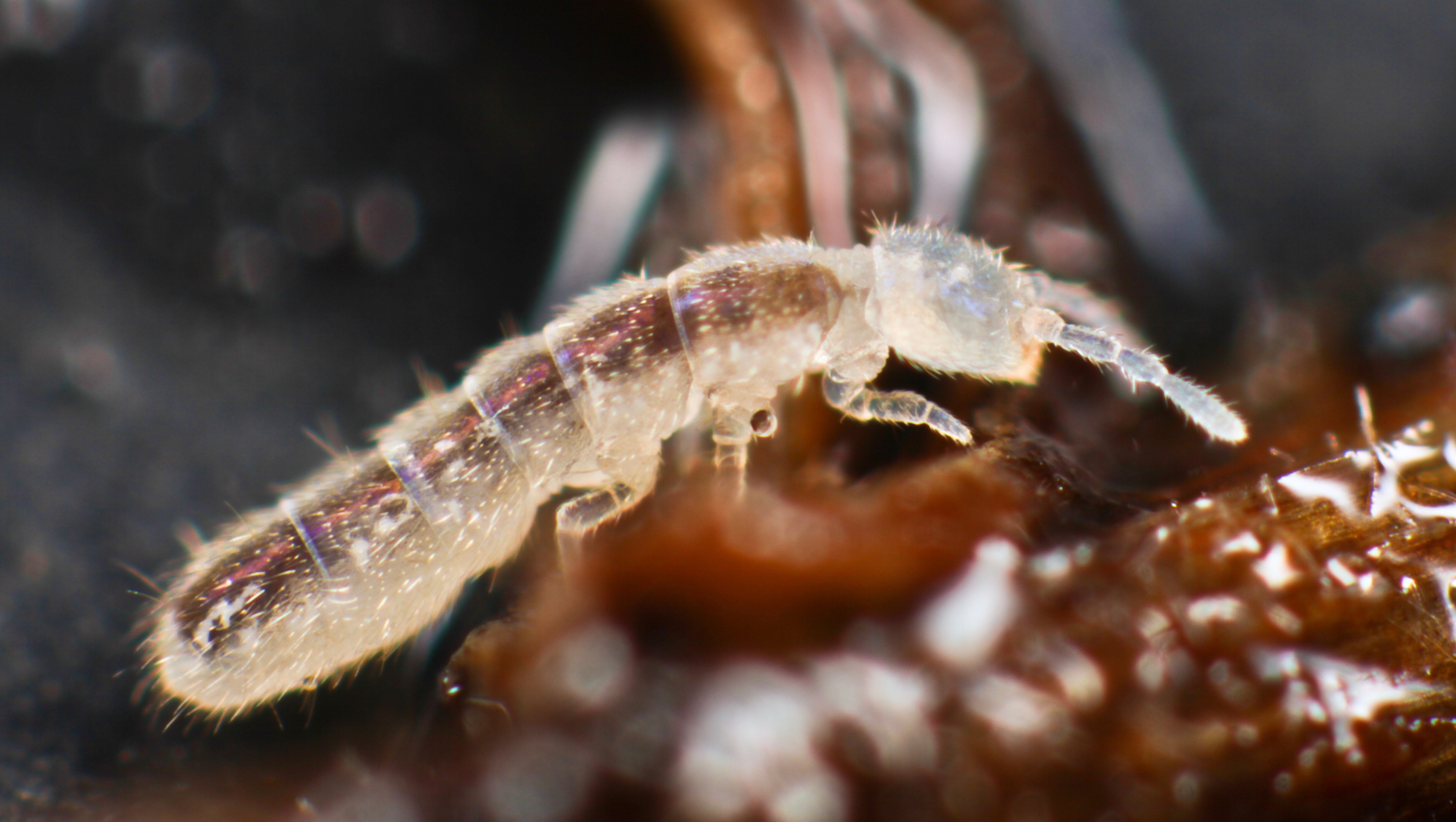
Springtails: tiny, everywhere, and totally harmless β Back to the Garden Trouble CalendarLook closely at damp potting mix or a compost heap and you...
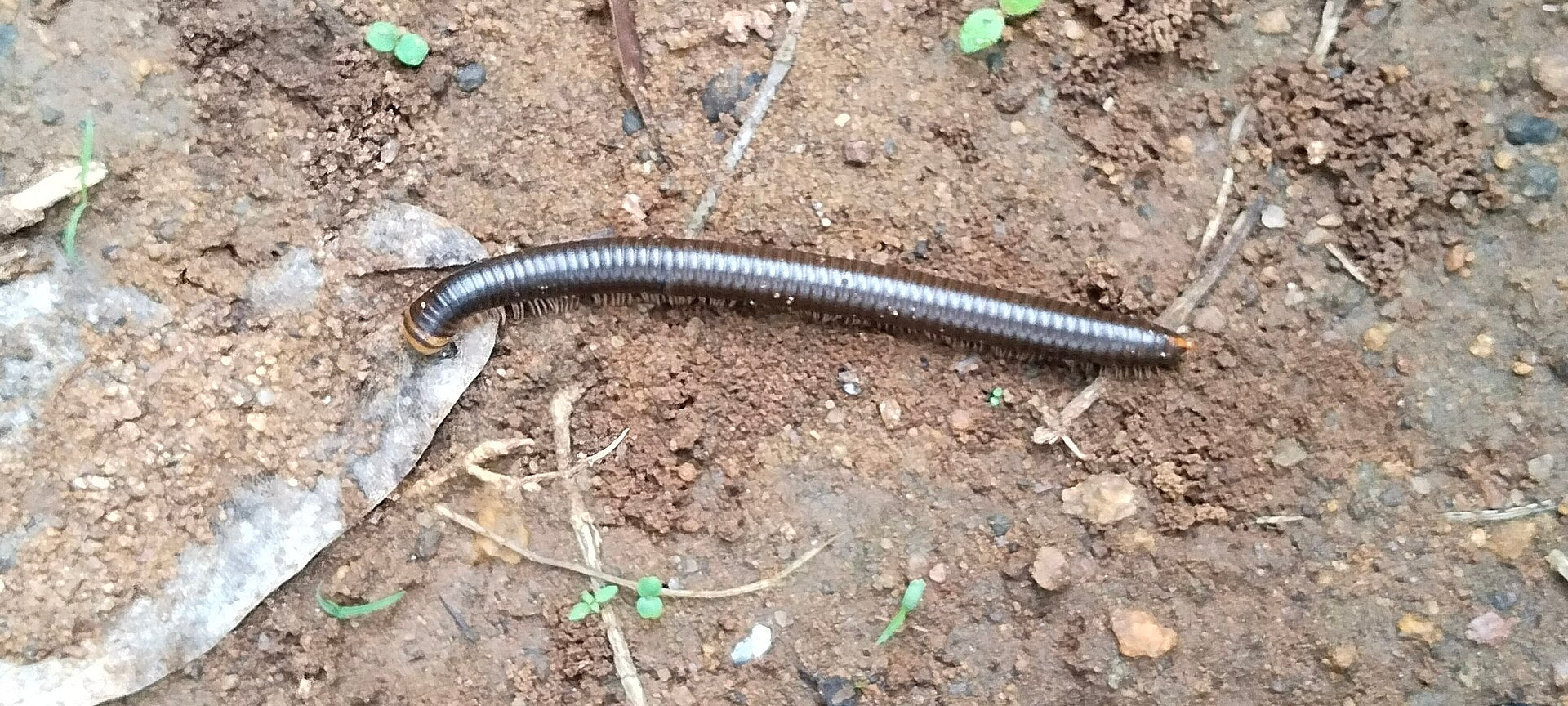
Millipedes: harmless recyclers (mostly) β Back to the Garden Trouble CalendarSlow, many-legged, and quick to curl into a neat spiral when you...
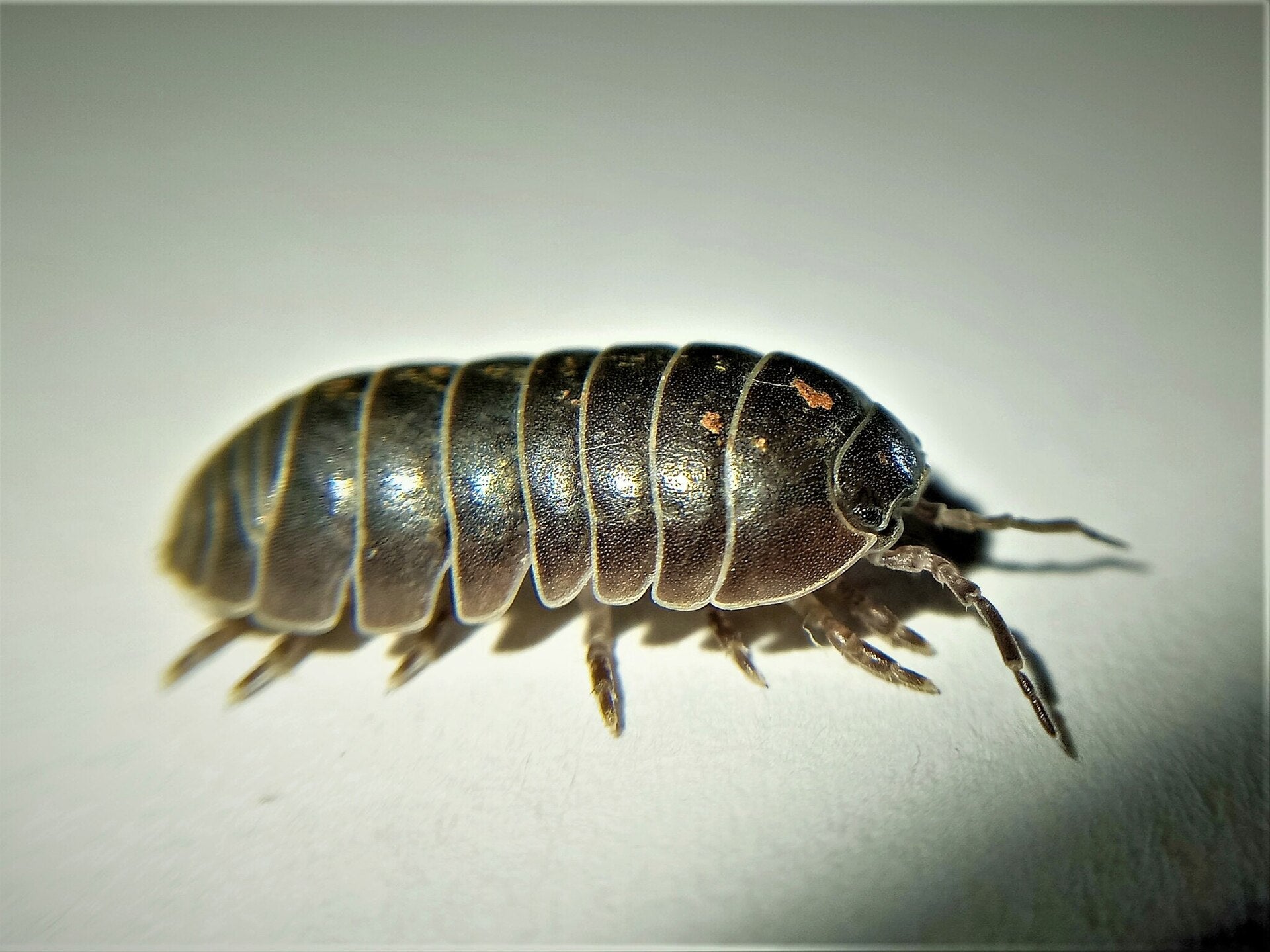
Slaters: friend or foe in the veggie patch? β Back to the Garden Trouble CalendarThose little grey armoured bugs that curl up (or scuttle for cover)...
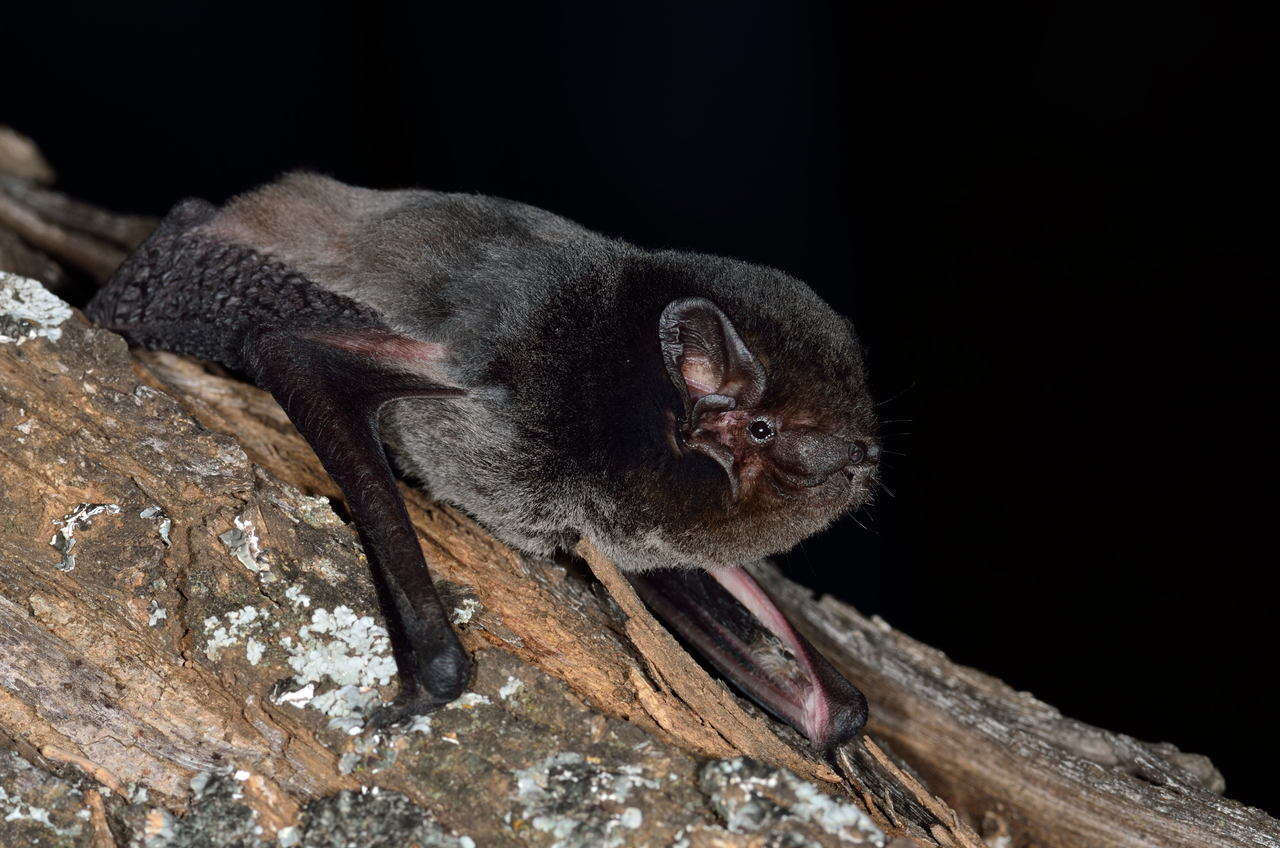
Microbats: the unsung heroes of the night shift Australia's tiny microbats are the unsung heroes of the night shift. Smaller than your thumb and utterly harmless,...
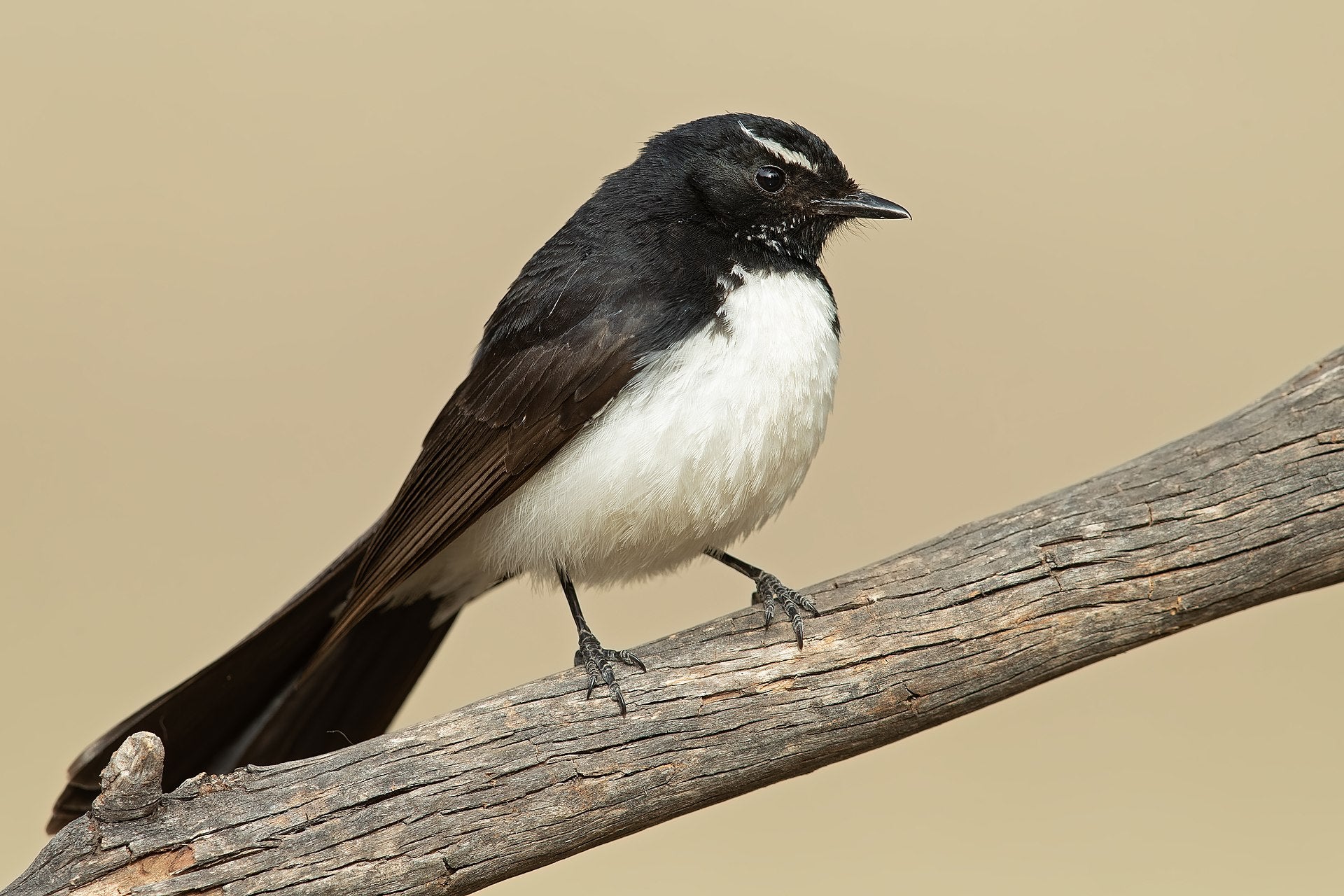
Insect-eating birds: free pest control on the wing Not every bird is after your fruit. Little insect-eaters β willie wagtails, fairy-wrens, robins and pardalotes β spend...
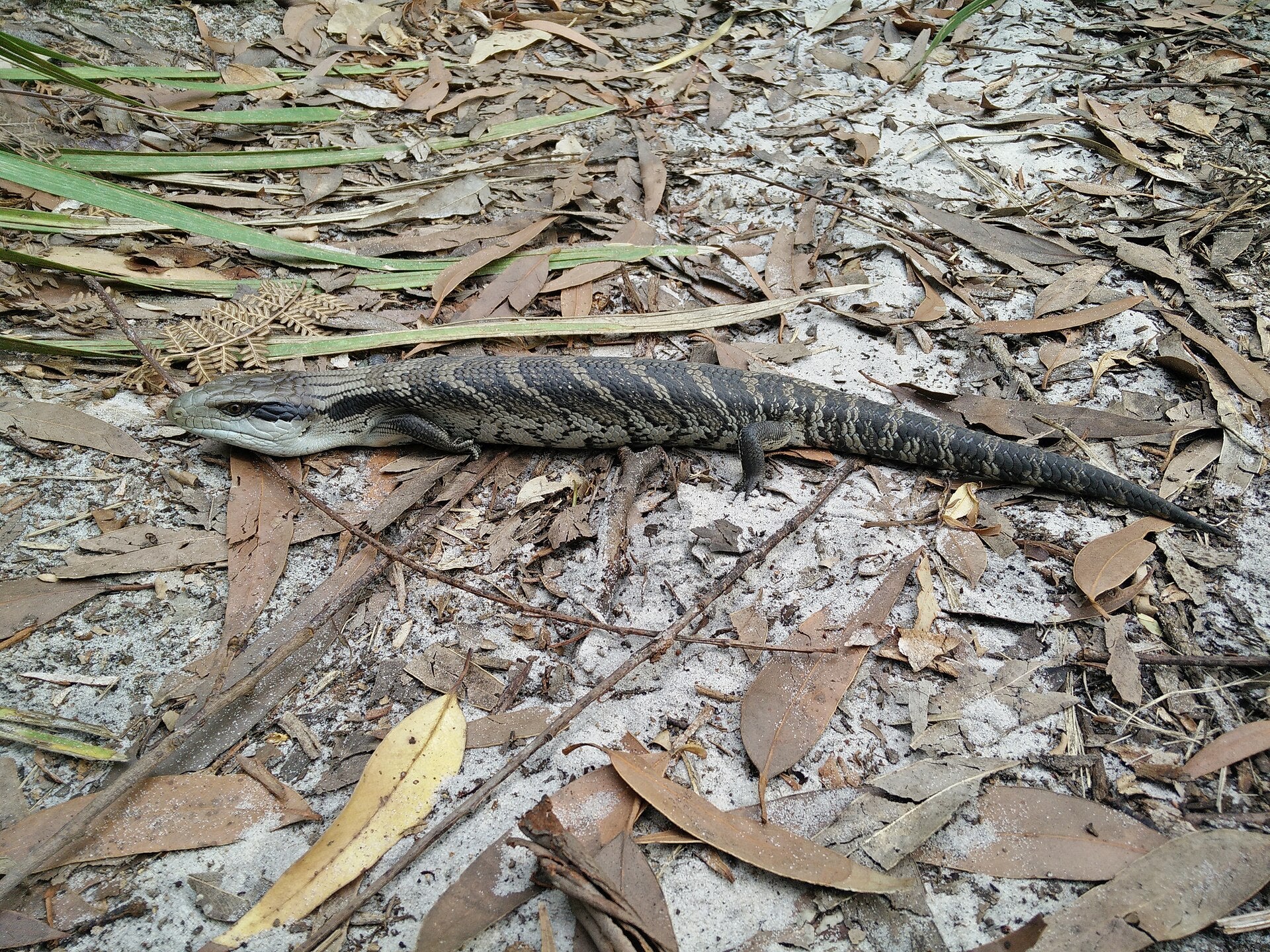
Lizards: the garden's built-in snail patrol Skinks and blue-tongue lizards are the garden's snail patrol. That blue-tongue basking on your path is quietly working...
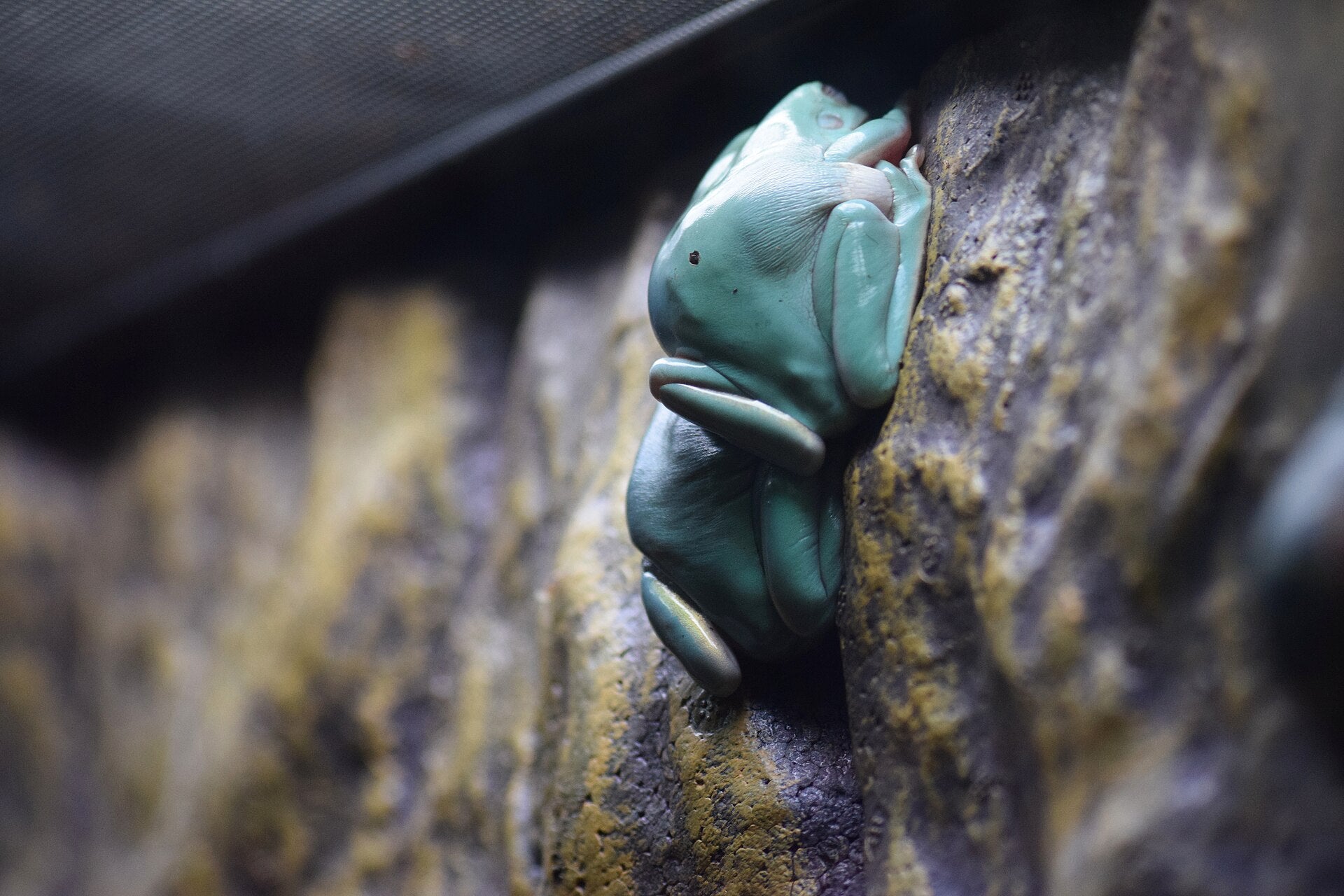
Frogs: your garden's night-shift pest patrol A frog in the garden is a sign you've got it right. These little hunters work the night...
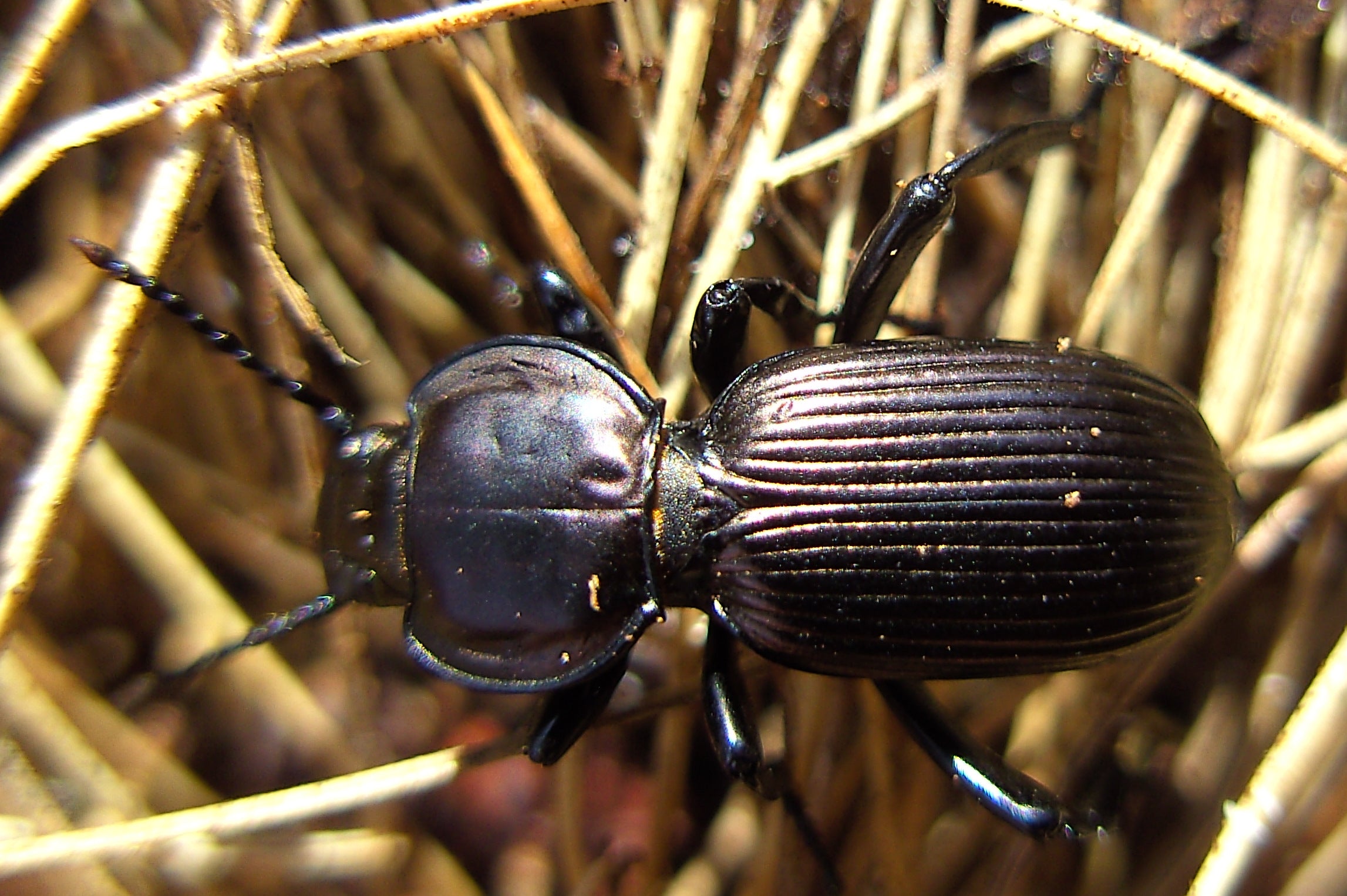
Ground beetles: the garden's night shift Ground beetles are the night shift. These fast, shiny beetles shelter under mulch and logs by day and...
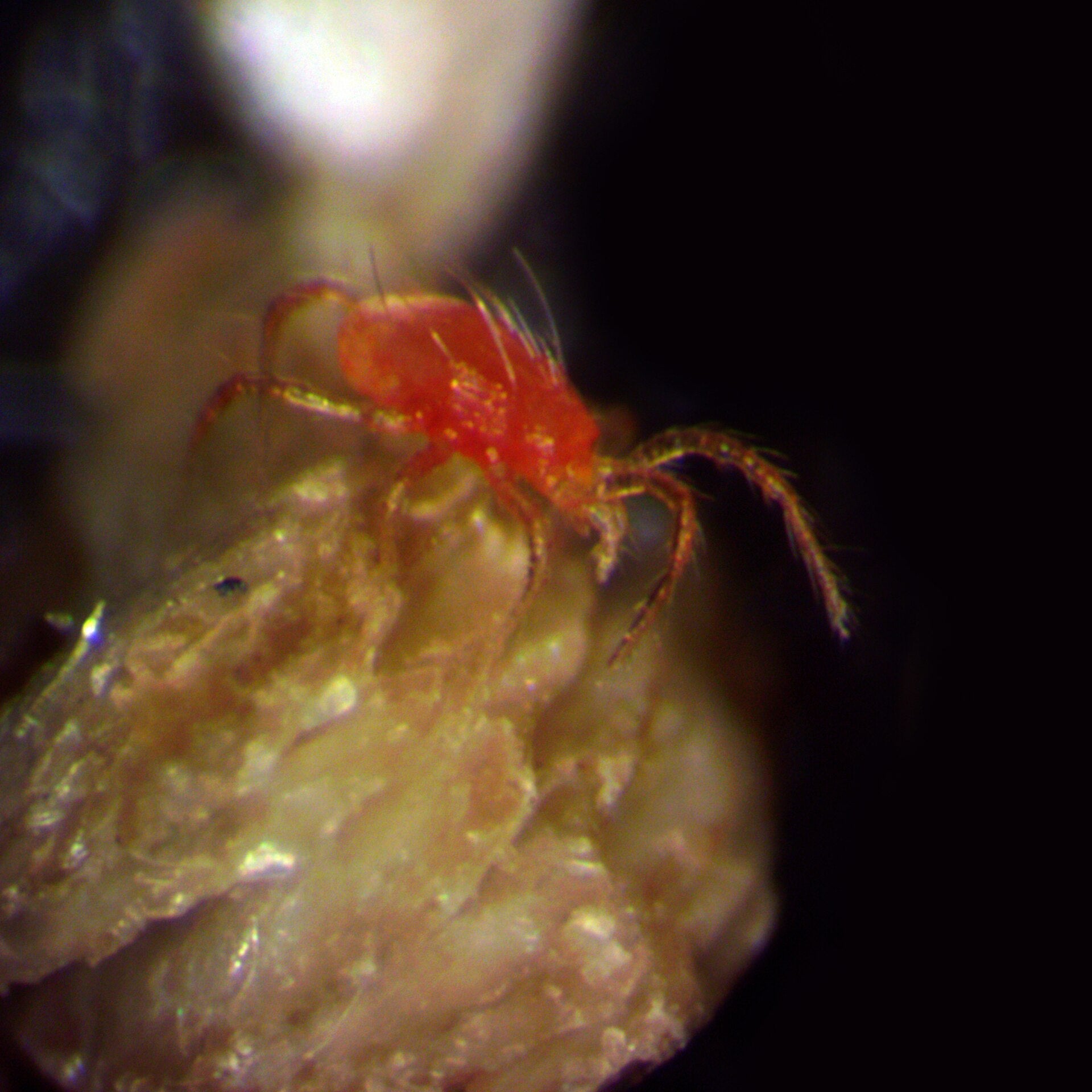
Predatory mites: fighting mites with mites It takes a mite to beat a mite. Predatory mites are the natural enemy of the two-spotted (spider)...
Parasitic wasps: tiny, harmless, and lethal to pests Don't let the name worry you β parasitic wasps are tiny, stingless and completely harmless to you, but...
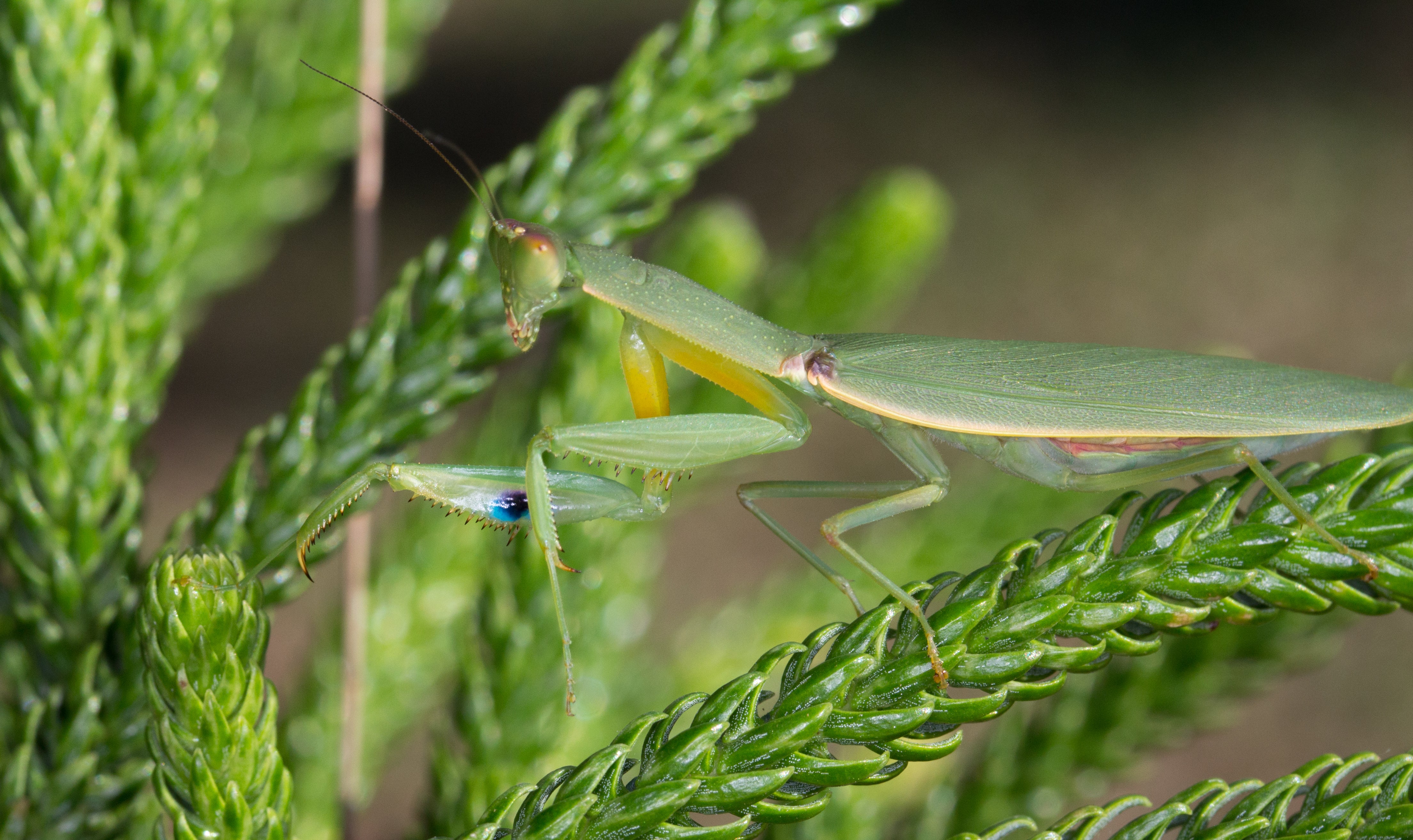
Praying mantis: the garden's patient hunter The praying mantis is the garden's patient ambush hunter. It sits dead still, forelegs folded as if praying,...
Bees and pollinators: the workforce behind your harvest Bees are the quiet workforce behind a good harvest. Honey bees and Australia's native bees β like the...
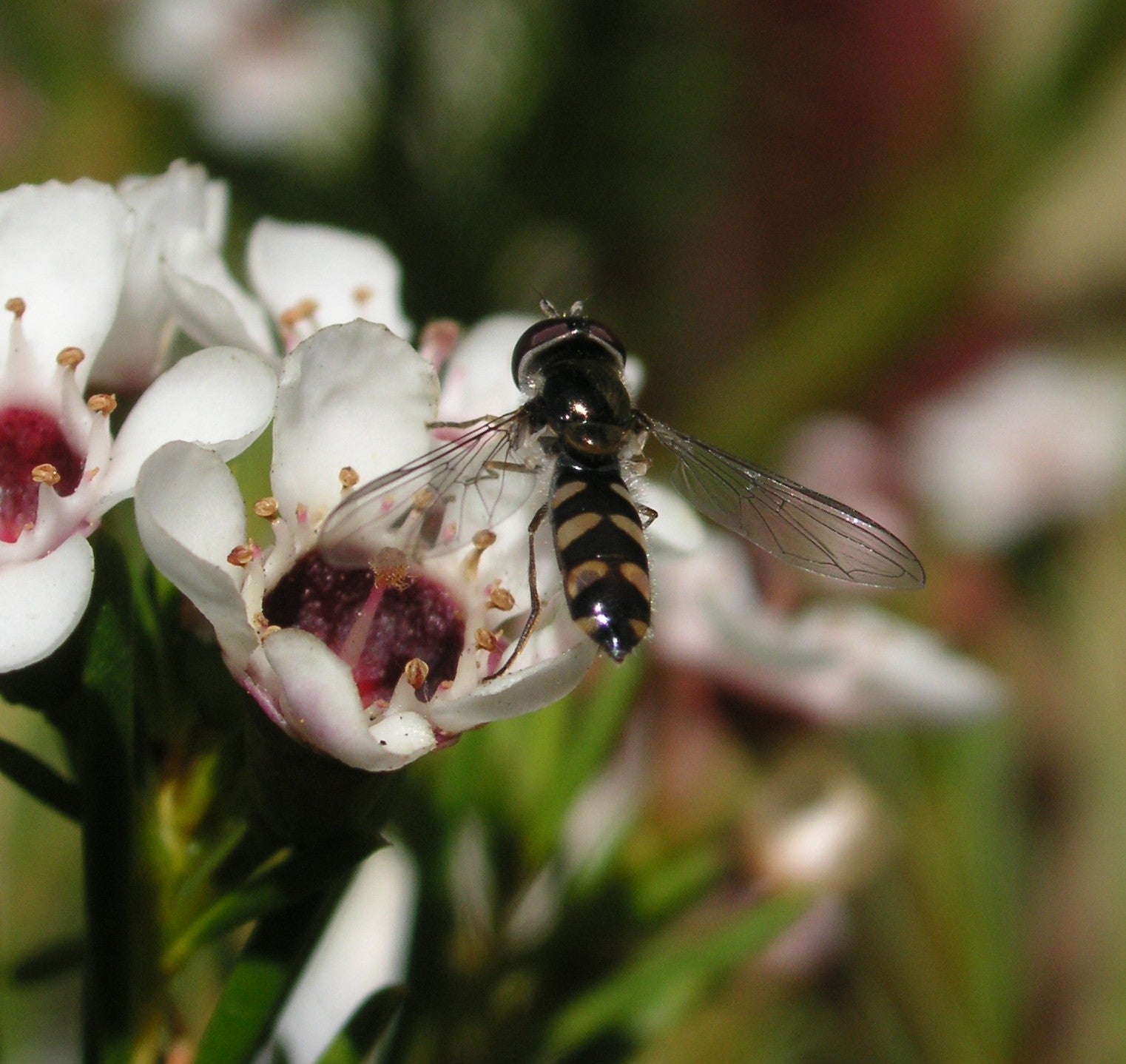
Hoverflies: pollinators and aphid-eaters in one Hoverflies (also called flower flies) earn their keep twice over β the adults pollinate your crops, and their...
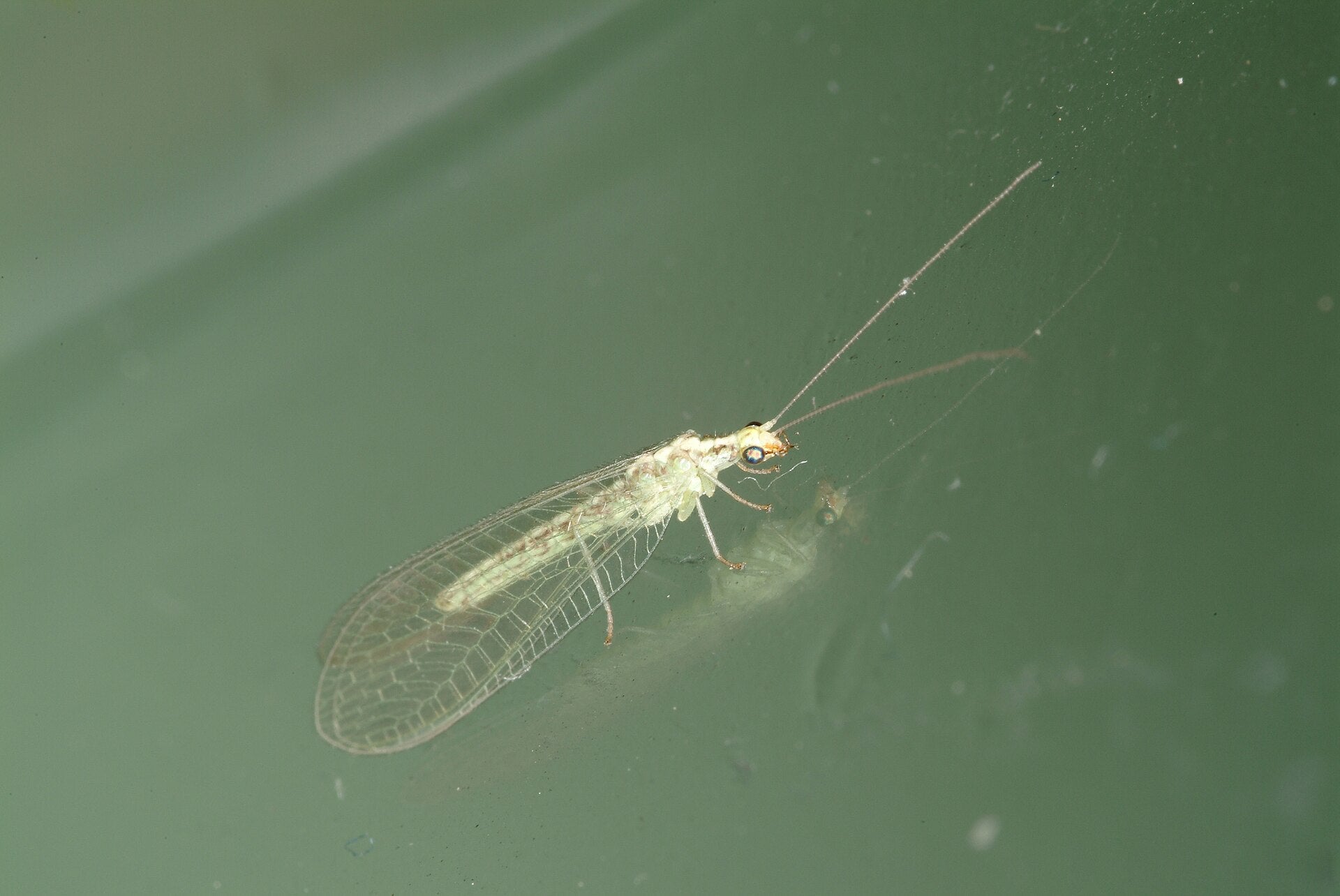
Lacewings: the garden's hardest-working predator Green lacewings are one of the hardest-working predators you can have. The delicate, lacy-winged adults are pretty enough,...
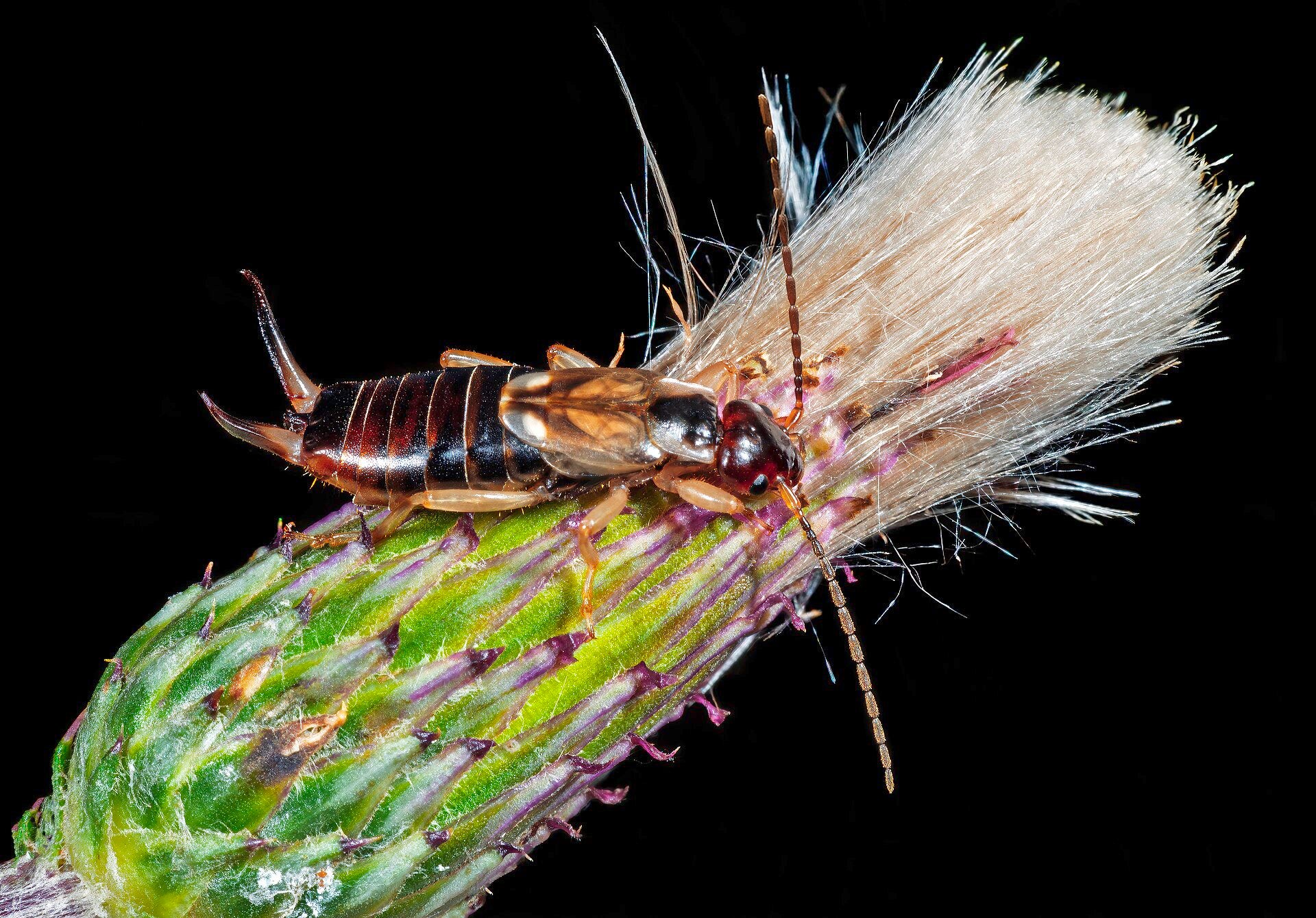
Earwigs: friend or foe in the veggie patch? β Back to the Garden Trouble CalendarEarwigs are a mixed bag. Those rear pincers look fierce but are...
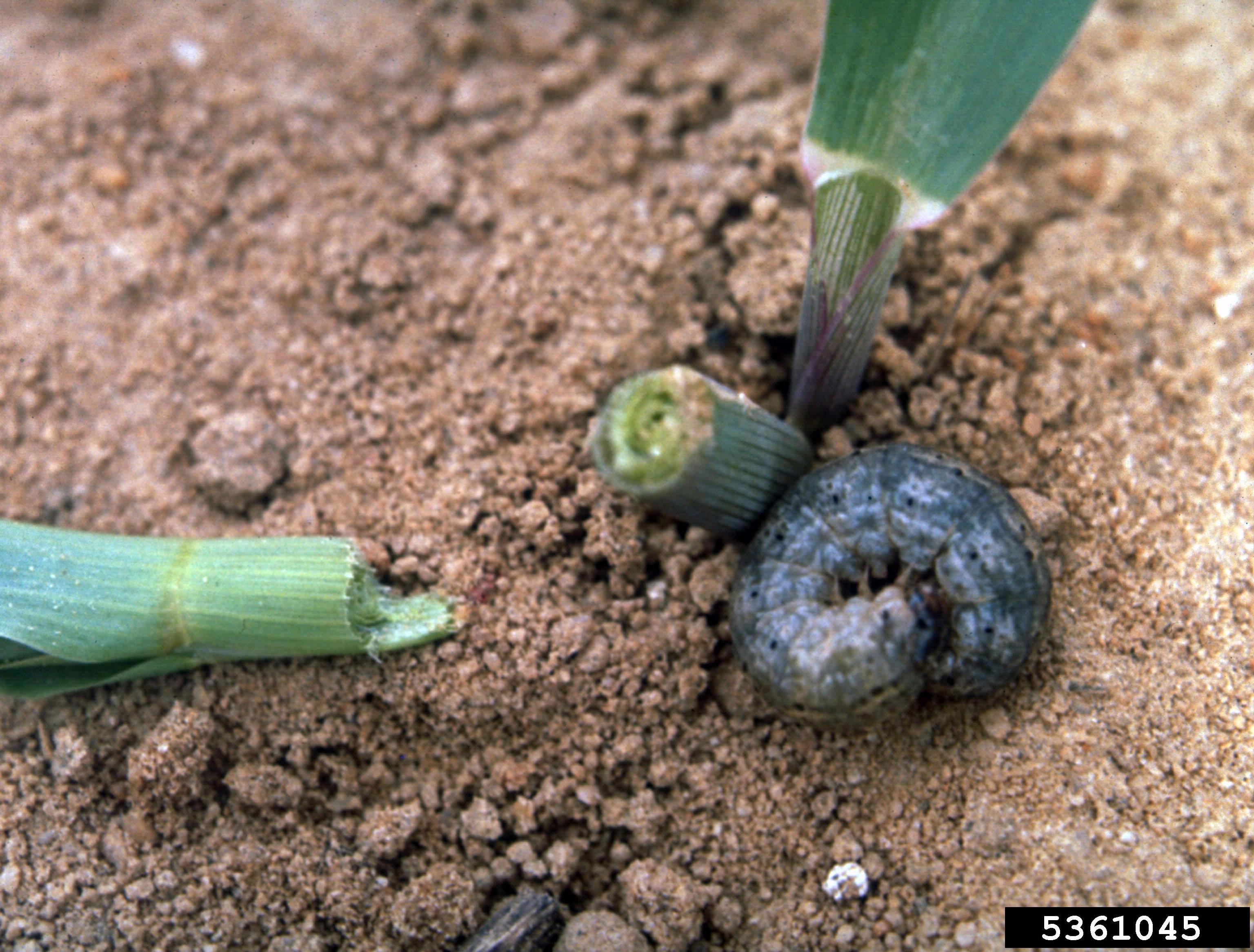
Cutworms: how to spot and manage them β Back to the Garden Trouble CalendarCutworms are the fat, soft caterpillars of certain moths. They hide in...
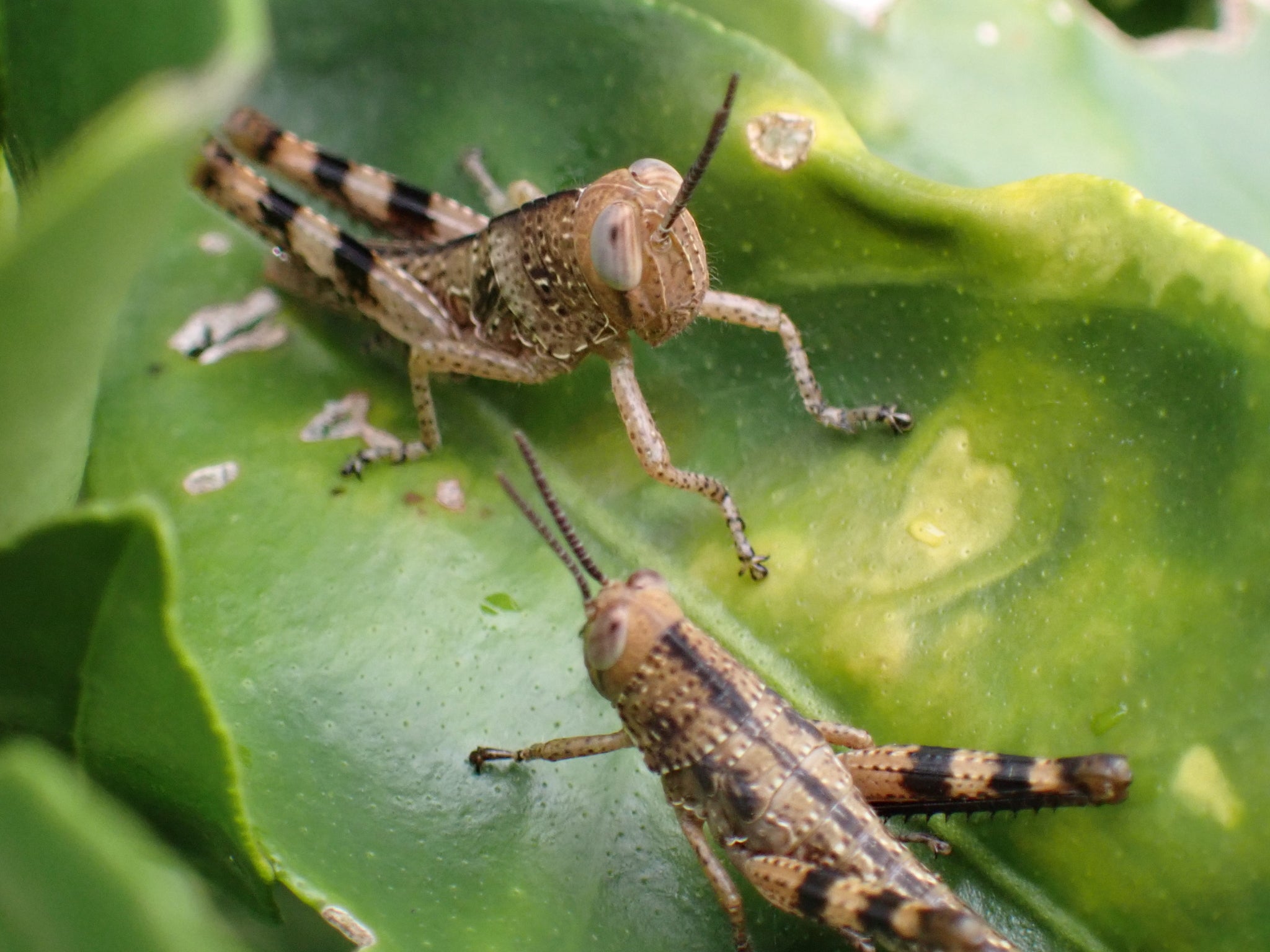
Grasshoppers and locusts: how to spot and manage them β Back to the Garden Trouble CalendarGrasshoppers β including big ones like the Australian giant grasshopper β chew...
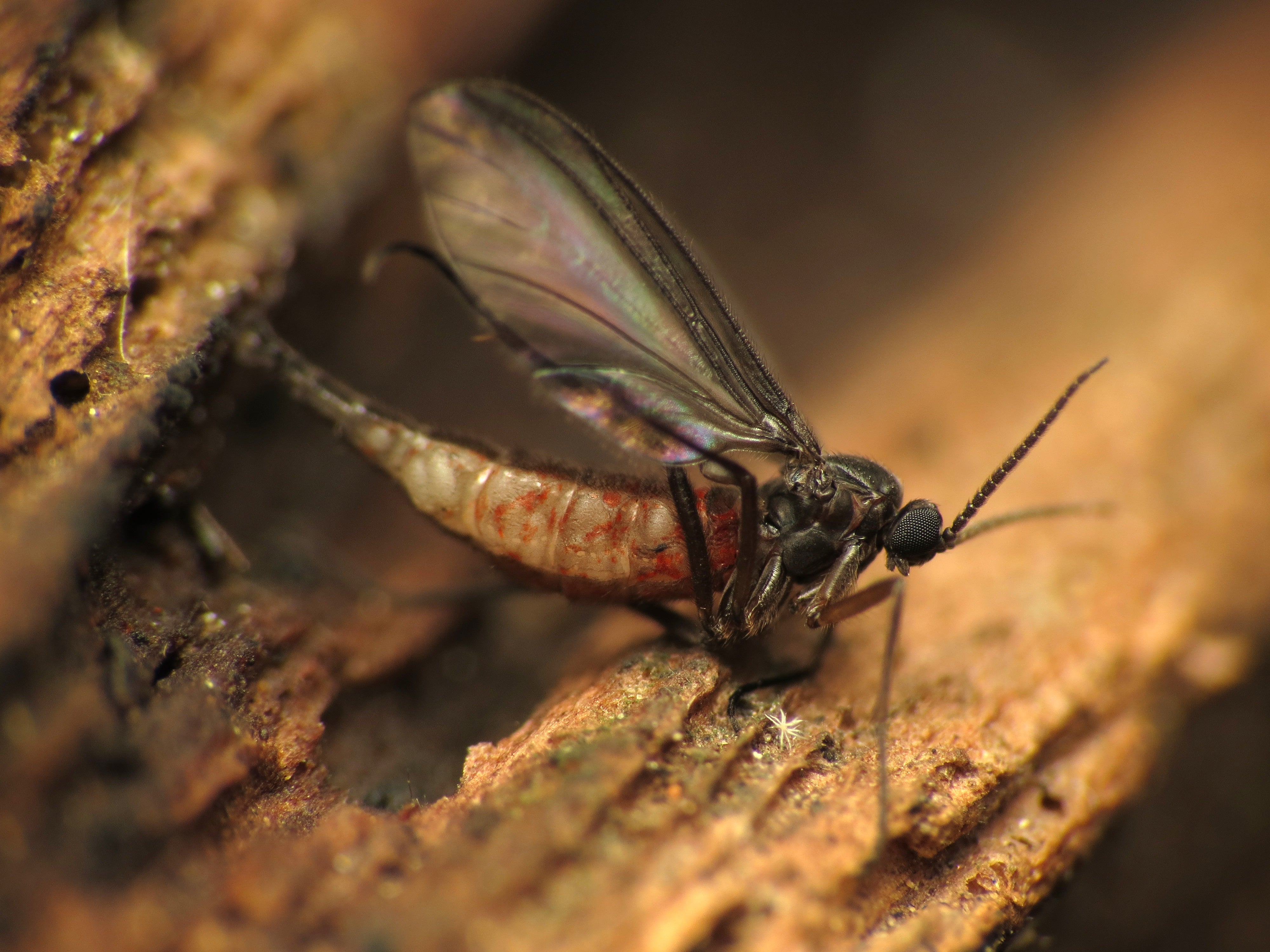
Fungus gnats: how to spot and manage them β Back to the Garden Trouble CalendarFungus gnats are tiny dark flies that hover around seedlings and pot...
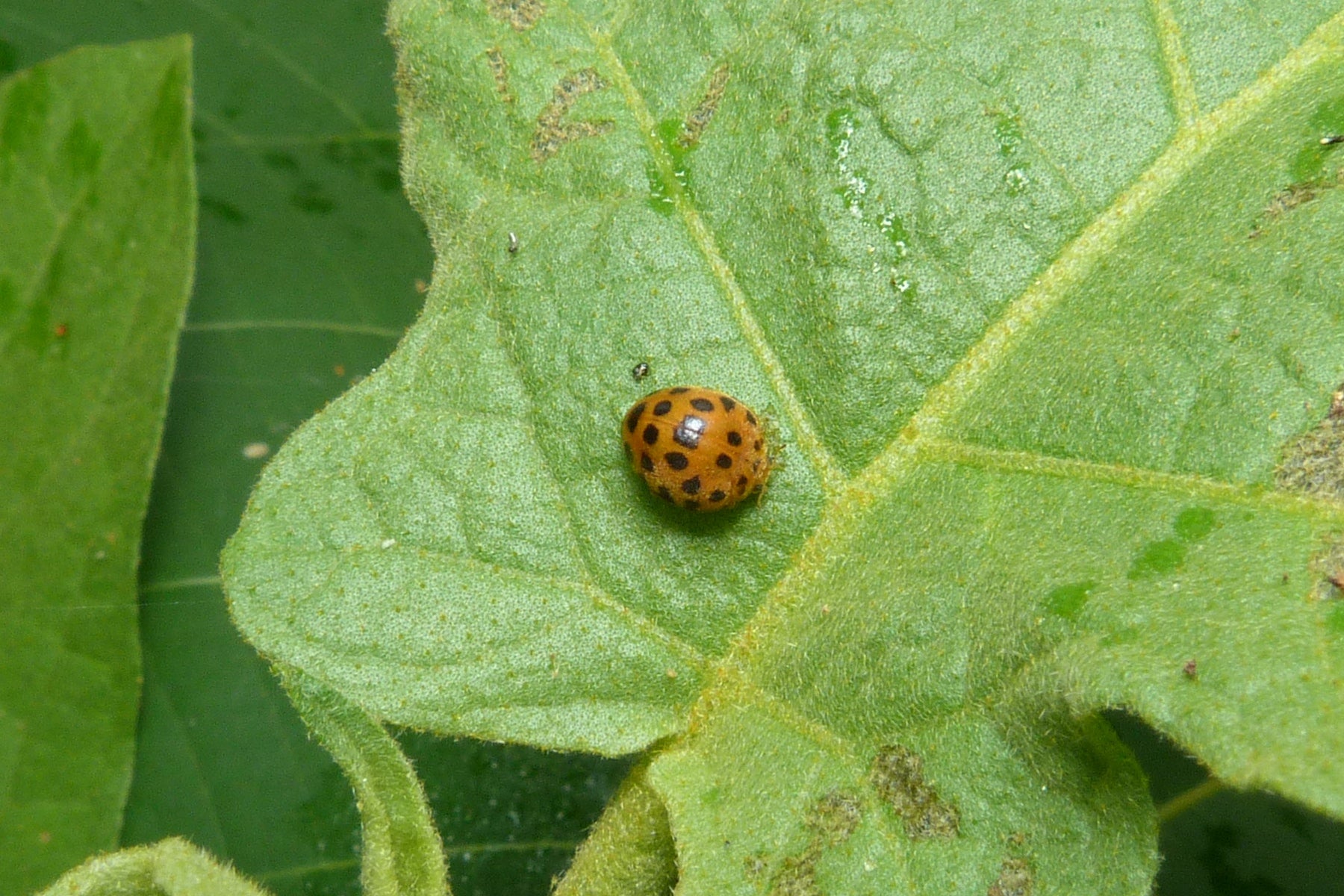
The 28-spotted ladybird: the one ladybird that's a pest β Back to the Garden Trouble CalendarNot every ladybird is your friend. The 28-spotted ladybird is the exception...
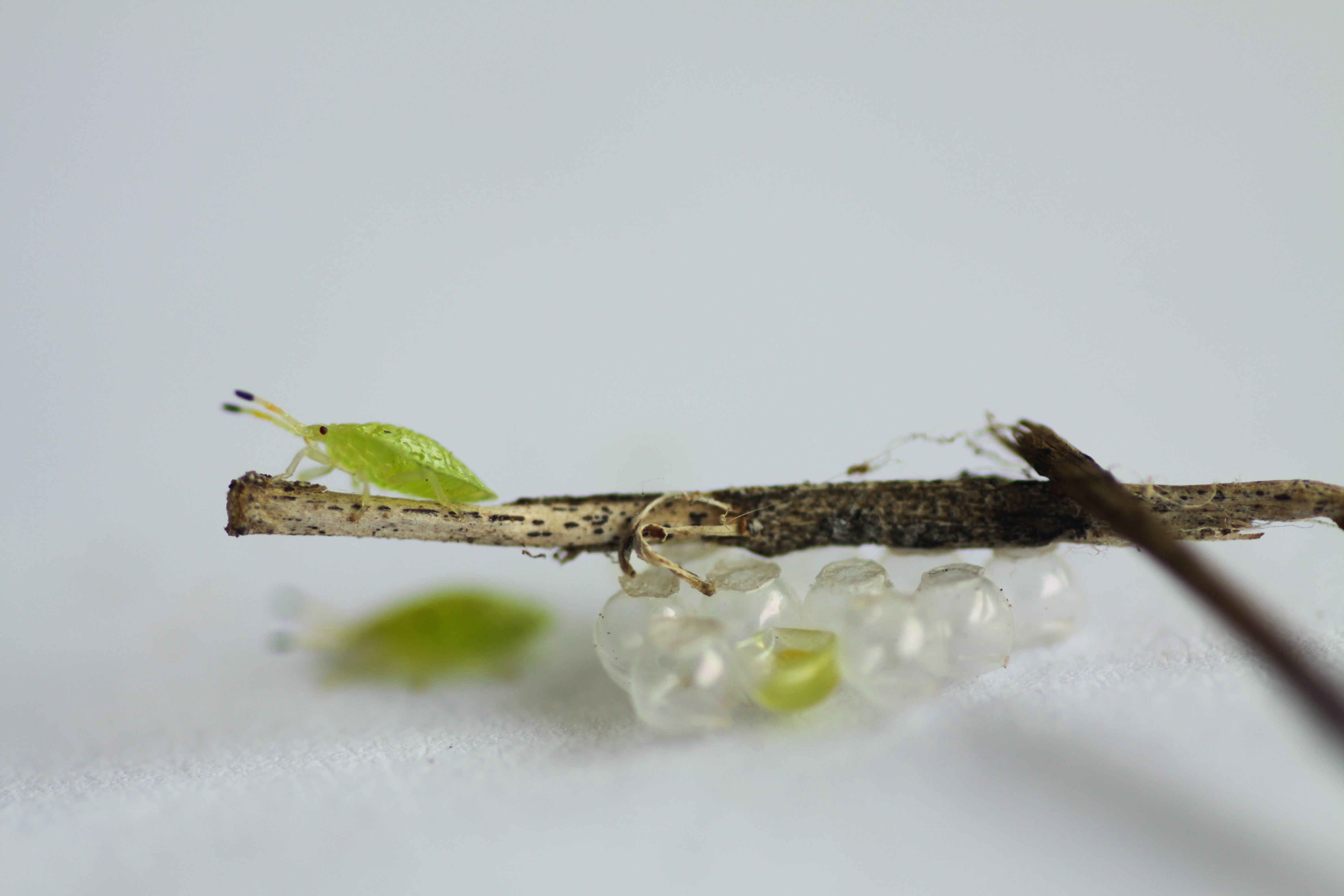
Stink bugs (bronze orange & harlequin): how to spot and manage them β Back to the Garden Trouble CalendarShield-shaped stink bugs, like the bronze orange bug on citrus and the...
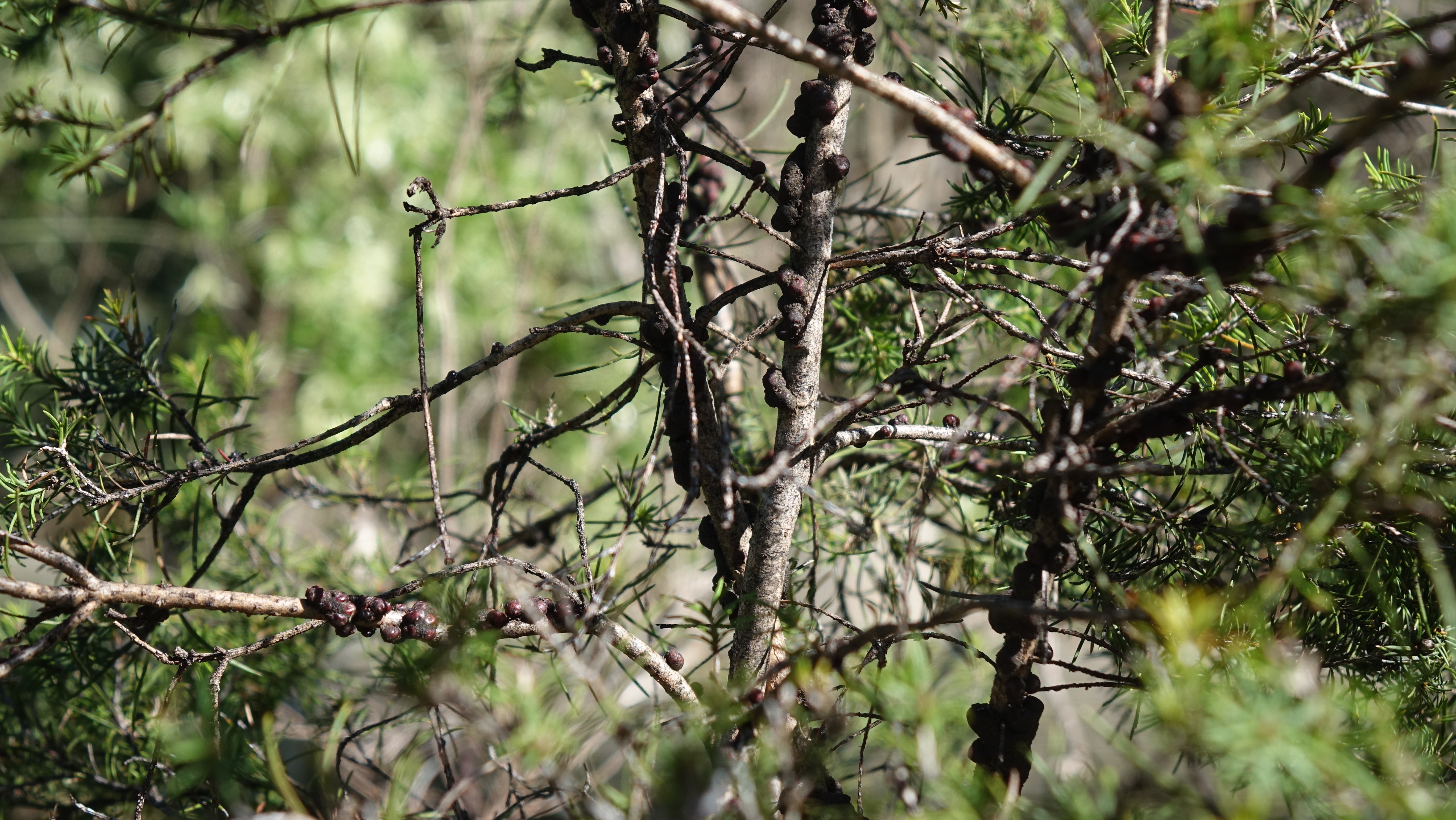
Scale insects: how to spot and manage them β Back to the Garden Trouble CalendarScale are sap-suckers that look like little bumps or shells stuck to...
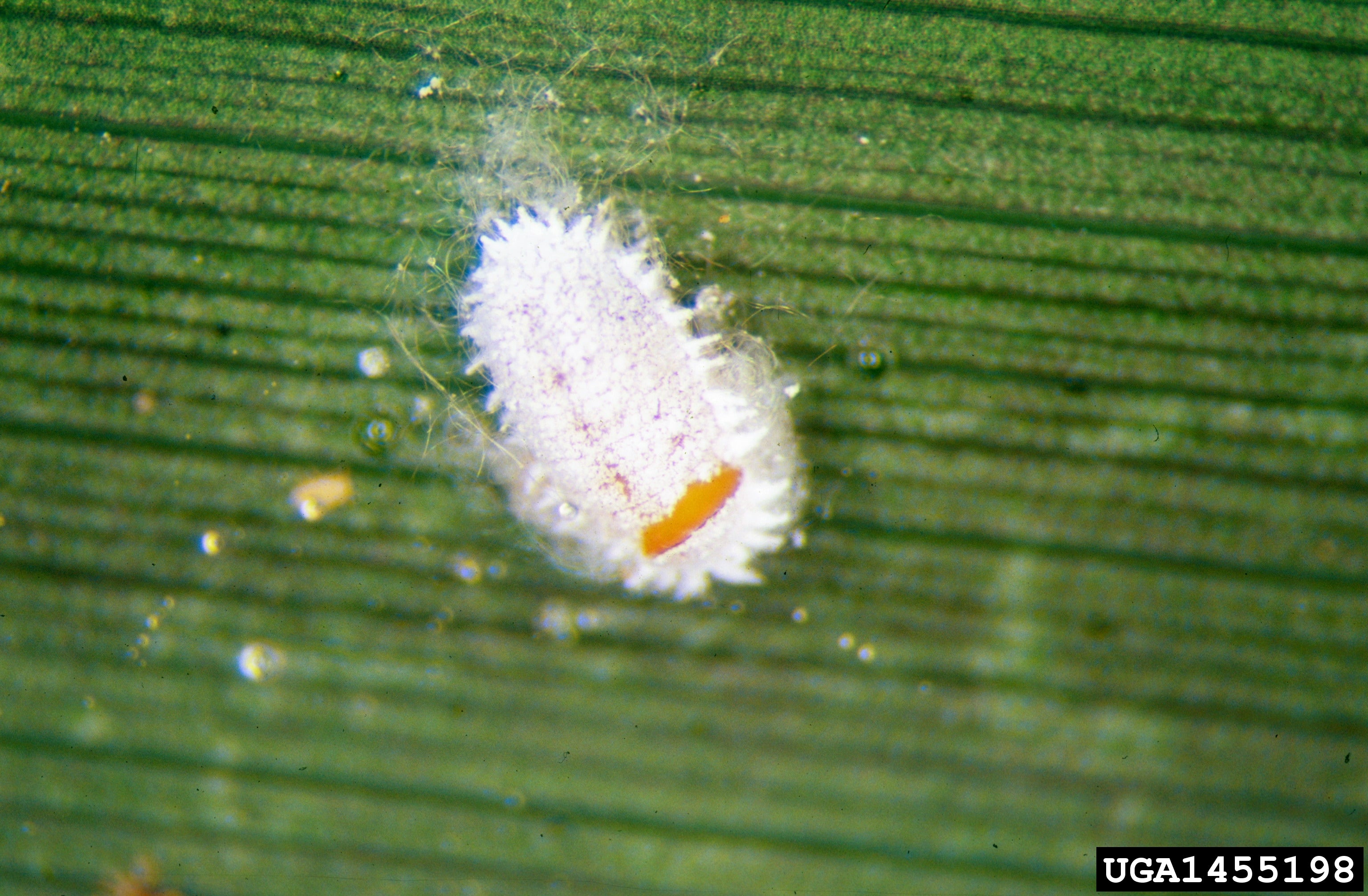
Mealybugs: how to spot and manage them β Back to the Garden Trouble CalendarMealybugs are small, soft, sap-sucking insects wrapped in a white, cottony wax....
Two-spotted mite (spider mite): how to spot and manage it β Back to the Garden Trouble CalendarTwo-spotted mite β also called red spider mite β is a tiny...
Queensland fruit fly: how to spot and manage it β Back to the Garden Trouble CalendarQueensland fruit fly (Qfly) is one of the most serious pests for...
Share and get 15% off!
Simply share this product on one of the following social networks and you will unlock 15% off!