


← Back to the Garden Trouble Calendar
What is it?
Blossom-end rot isn't a pest or a disease at all — it's a disorder caused by the fruit not getting enough calcium, almost always because watering has been uneven. The good news: it's completely preventable once you know the cause.
How do I spot it?
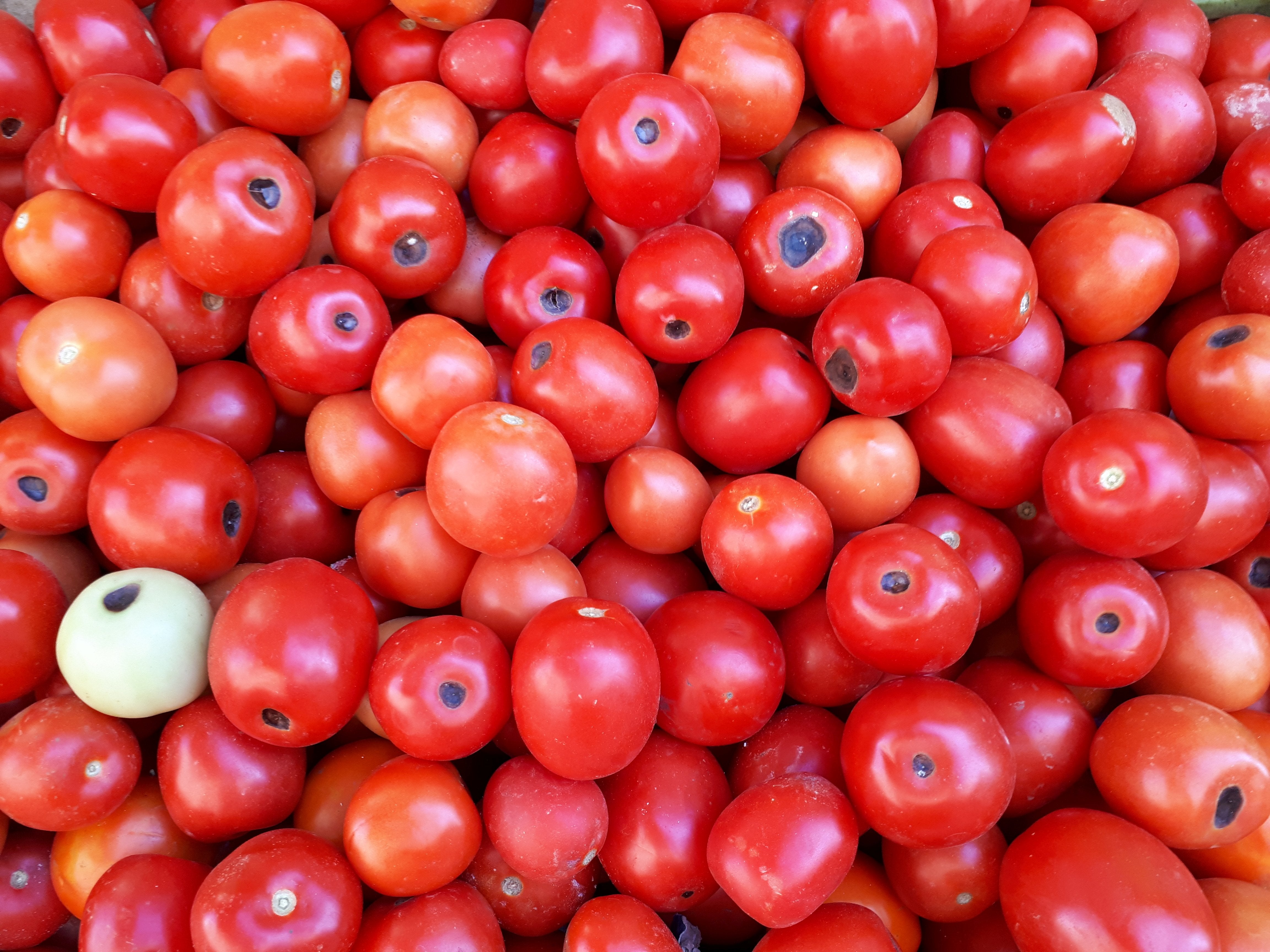
- A sunken, leathery, brown-to-black patch on the bottom (blossom end) of the fruit.
- It starts small and spreads; the top of the fruit usually looks perfectly fine.
- Most common on the first fruit of the season.
Which plants does it affect?
Growing any of these? See our guides to tomatoes, capsicum & chilli, zucchini and eggplant.
Tomatoes are the classic case, but capsicum and chilli, zucchini and eggplant get it too.
What causes it?
The plant can't move enough calcium into the fruit — and the usual reason isn't a lack of calcium in the soil, it's irregular watering. When the bed dries out then gets flooded, calcium can't travel steadily to the fruit.
How do I prevent it?
- Water deeply and consistently — this is the whole fix. Mulch to hold moisture even.
- A drip watering system on a timer takes the guesswork out of it.
- Don't overdo high-nitrogen feeds, which push soft growth the plant can't keep up with.
- A raised bed's steady, free-draining soil makes even watering easier.
How do I manage it?
Pick off the affected fruit — it won't recover. Then sort the watering and the next fruit will be fine. It isn't contagious, so there's nothing to spray.
For the bigger picture, see our guide to managing pests and problems safely.
Plan your patch: our free garden calendar shows what to plant now where you live. Ready to grow? Browse our raised garden beds or build your own with the garden bed builder.
Image: Fructibus, CC0, via Wikimedia Commons.