

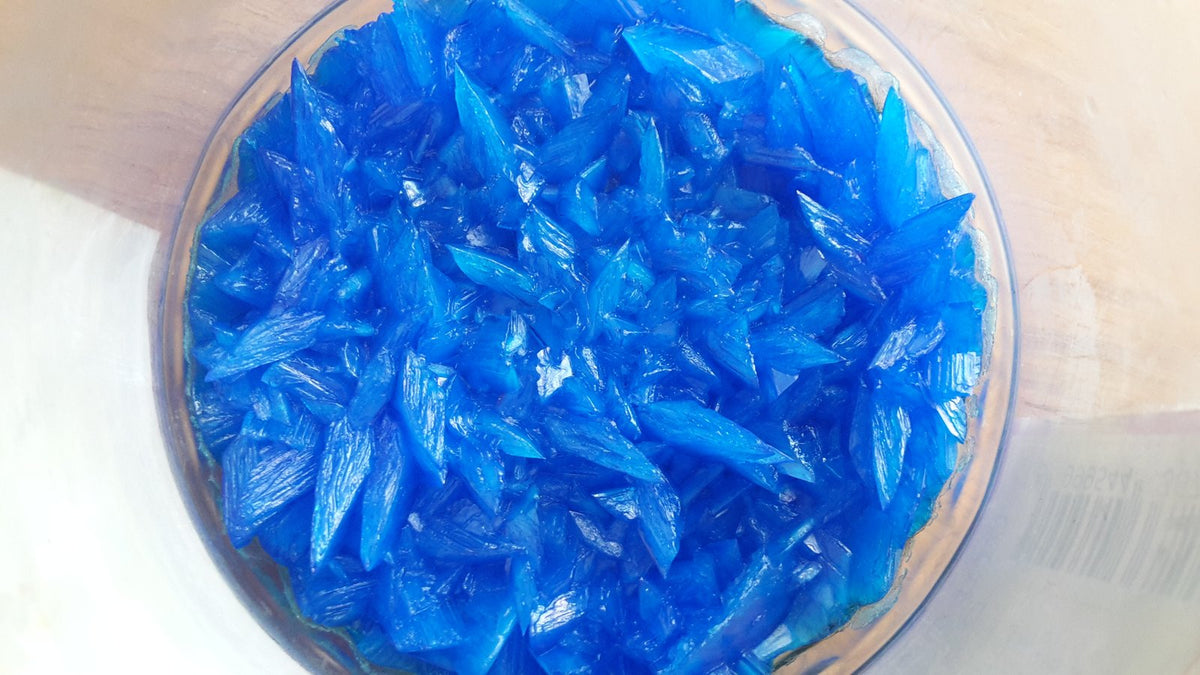
Copper isn't really a pest spray — it's mainly a fungicide. Copper-based sprays (copper sulfate, copper oxychloride, copper hydroxide) are a long-standing, organically-accepted way to keep fungal and bacterial diseases in check.
What does it manage?
- Fungal and bacterial diseases: leaf spot, downy mildew, blight, rust and citrus problems
- Slugs and snails — sometimes used as a barrier, as they dislike crossing copper
How do I use it?
- Mix to the label — copper products vary in strength.
- Spray onto leaves as a preventative, before disease takes hold, and reapply after rain.
- For slugs and snails, a copper tape or band around a bed or pot works as a barrier.
What's good about it?
- Controls a wide range of fungal and bacterial diseases.
- Accepted in organic gardening.
- A long, proven track record.
What's the catch?
- Copper builds up in soil over time and can become toxic to plants and worms — don't overdo it.
- Can burn leaves if over-applied.
- Better as prevention than a cure.
Handy for disease, but go easy — copper is one to use sparingly. For slugs and snails, we'd usually reach for iron phosphate first. For the bigger picture, see our guide to managing pests safely.
Plan your patch: our free garden calendar shows what to plant now where you live. Ready to grow? Browse our raised garden beds or build your own with the garden bed builder.
Image: Crystal Titan, CC BY-SA 4.0, via Wikimedia Commons.