


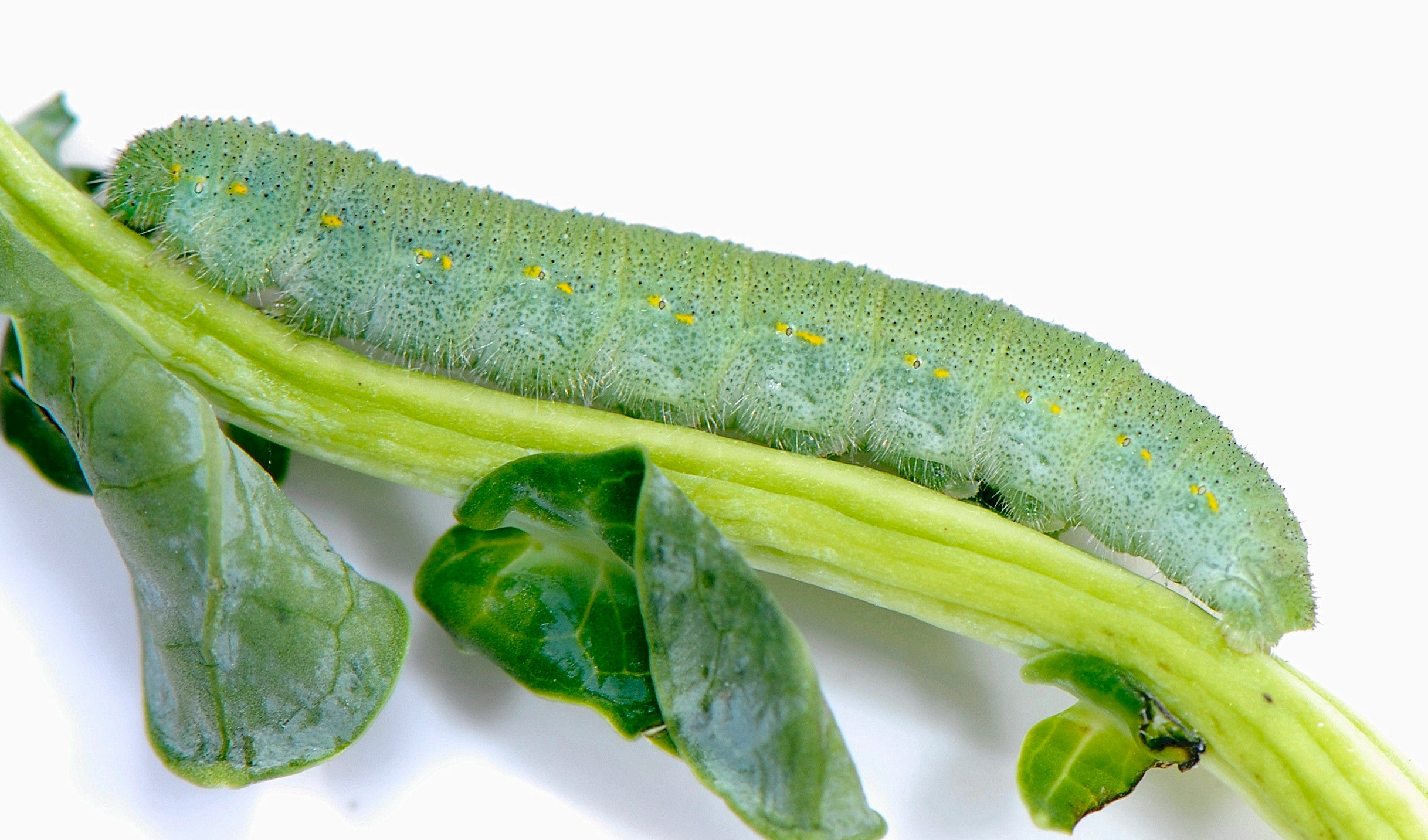
Spinosad is a natural insecticide made by fermenting a soil bacterium. It's especially good on caterpillars and thrips — two of the trickier veggie-patch pests — and it's gentle enough for organic gardens.
Which pests does it manage?
- Caterpillars (including cabbage white and diamondback moth)
- Thrips
- Leaf miners
- Some beetles
How do I use it?
- Mix to the label.
- Spray in the evening — spinosad is hardest on bees while still wet, and safe once dry.
- Cover both sides of the leaves where caterpillars feed.
- Reapply after heavy rain, or every couple of weeks while pests are active.
What's good about it?
- Excellent on caterpillars and thrips, which many gentle sprays miss.
- Low toxicity to people, pets and (once dry) bees.
- Accepted for organic growing.
What's the catch?
- Toxic to bees while wet — always spray in the evening, never on open flowers.
- Can be dearer than other sprays.
- Rotate it with other controls so pests don't build resistance.
Spinosad is a great safe option when caterpillars are chewing through your brassicas. For the bigger picture, see our guide to managing pests safely.
Plan your patch: our free garden calendar shows what to plant now where you live. Ready to grow? Browse our raised garden beds or build your own with the garden bed builder.
Image: Sam Fraser-Smith, CC BY 2.0, via Wikimedia Commons.