



← Back to the Garden Trouble Calendar
What is it?
Fusarium and verticillium wilt are soil-borne fungi that block a plant's water pipes from the inside, so it wilts even when the soil is moist. They live in the soil for years — which is exactly where a raised bed gives you the upper hand.
How do I spot it?
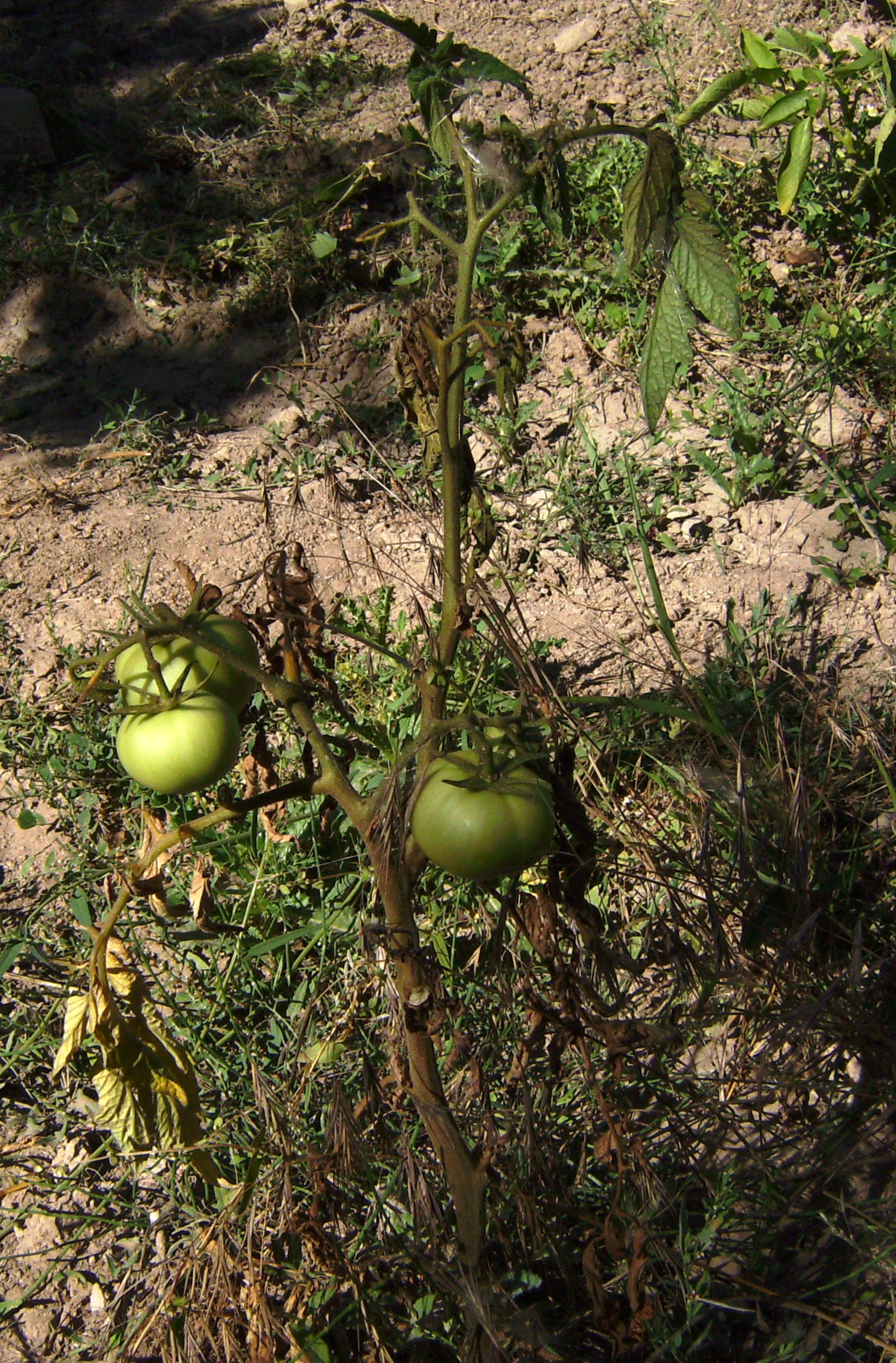
- Wilting that starts on one side of the plant, or on the lower, older leaves.
- Yellowing (often in a V-shape or just one side), then browning.
- The plant wilts in the heat and may perk up overnight early on, then collapses.
- Cut the stem near the base and you may see brown streaks inside.
Which plants does it affect?
Growing any of these? See our guides to tomatoes, capsicum & chilli, strawberries and eggplant.
Tomatoes, potatoes, eggplant, capsicum and strawberries are common hosts, among others.
What causes it, and how does it spread?
The fungi enter through the roots from infected soil and are worse in warm conditions. They spread on soil, water and dirty tools.
How do I prevent it?
- This is where a raised bed shines — fresh, clean potting mix skips the infected garden soil entirely.
- Choose resistant varieties (look for the letters V and F on tomato labels).
- Rotate crops and keep tools clean.
How do I manage it?
No spray fixes a wilt. Remove affected plants and don't replant the same family in that spot. In a raised bed, refreshing the mix effectively resets it.
For the bigger picture, see our guide to managing pests and problems safely.
Plan your patch: our free garden calendar shows what to plant now where you live. Ready to grow? Browse our raised garden beds or build your own with the garden bed builder.
Image: Victor M. Vicente Selvas, CC BY-SA 3.0, via Wikimedia Commons.