


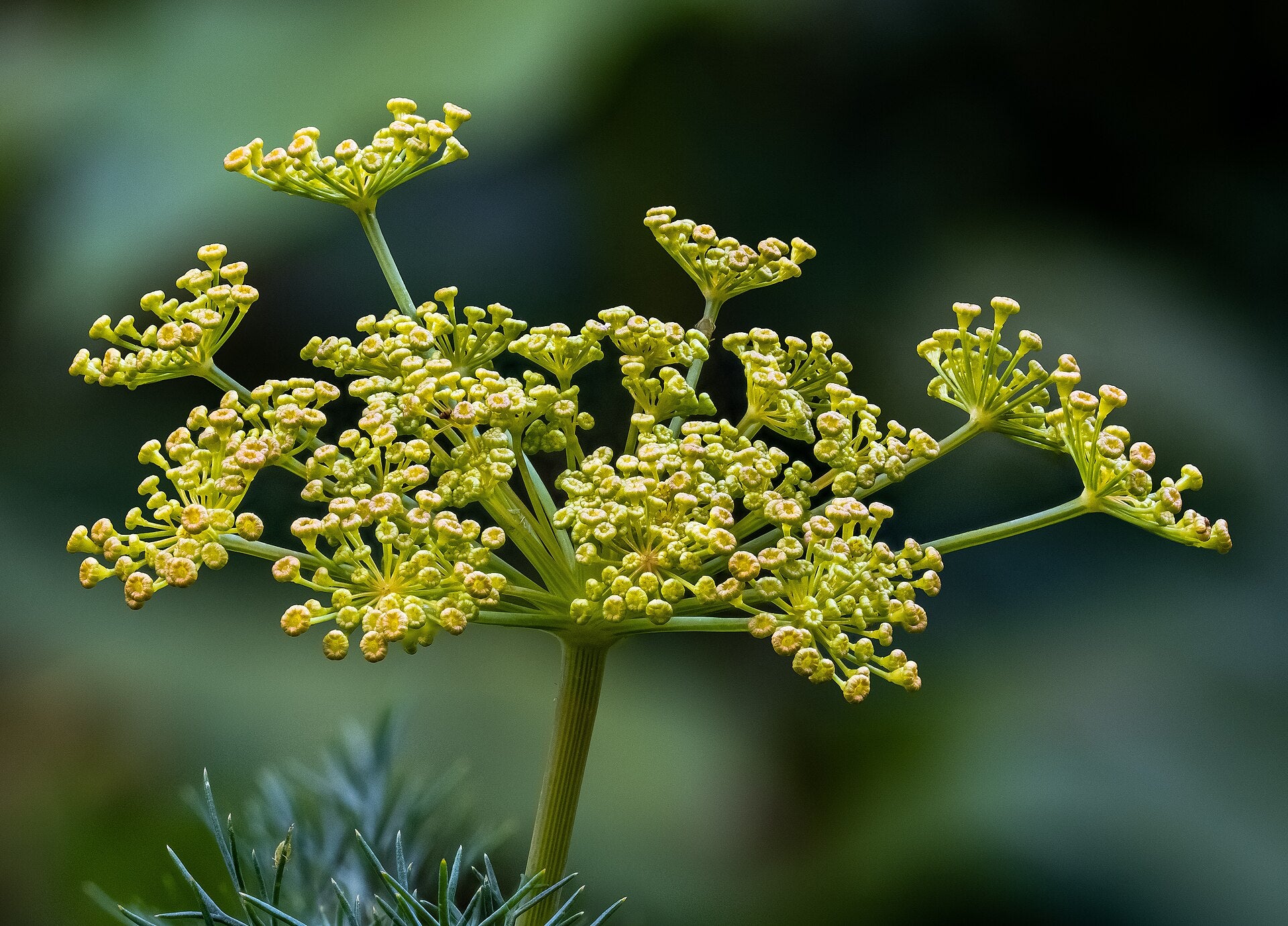
Dill is the feathery, aniseed-scented herb that partners fish, potatoes and pickles — and its flowers are a five-star magnet for beneficial insects. It's quick, easy and a little short-lived, so sow often.
Quick facts
- Position: full sun
- Spacing: 20–30 cm apart
- Tub depth: our 23 cm+ depth
- Time to harvest: 8–10 weeks
When should I plant dill?
Dill grows best in the cooler months in warm areas, spring to autumn in cooler ones. Sow directly — it dislikes transplanting — and sow a fresh patch every few weeks. Our free garden calendar shows the right months for your postcode.
- Subtropical (Brisbane & SEQ): March to September
- Temperate (Sydney, Melbourne, Adelaide, Perth): August to March
- Cool & mountain (Tasmania, Canberra, highlands): October to March
- Tropical (Cairns, Darwin): April to August
- Arid inland: March to September
How do I grow dill in a raised bed?
Sow seed where it's to grow, as dill has a taproot that resents disturbance. Give it a sheltered spot, as the tall stems can blow over.
How often should I water and feed dill?
Keep the mix evenly moist for lush foliage; a light feed is plenty.
What pests attack dill?
Keep an eye out for aphids and caterpillars — though most herbs are pleasingly pest-resistant. See our safe pest guide.
What are the common problems with dill?
The main one to watch is powdery mildew and damping-off, usually from damp, crowded conditions. Good airflow and morning watering prevent most.
What grows well with dill?
Let some flower and it draws in hoverflies, lacewings and parasitic wasps; keep it away from carrots. See our companion planting guide.
When do I harvest dill?
Pick leaves young for the best flavour, and let some heads go to seed for pickling. Use the leaf fresh — it loses punch when dried.
More growing guides: coriander, parsley and chervil.
Plan your patch: our free garden calendar shows what to plant now where you live. Ready to grow? Browse our raised garden beds or build your own with the garden bed builder.
Image: Ermell, CC BY-SA 4.0, via Wikimedia Commons.