



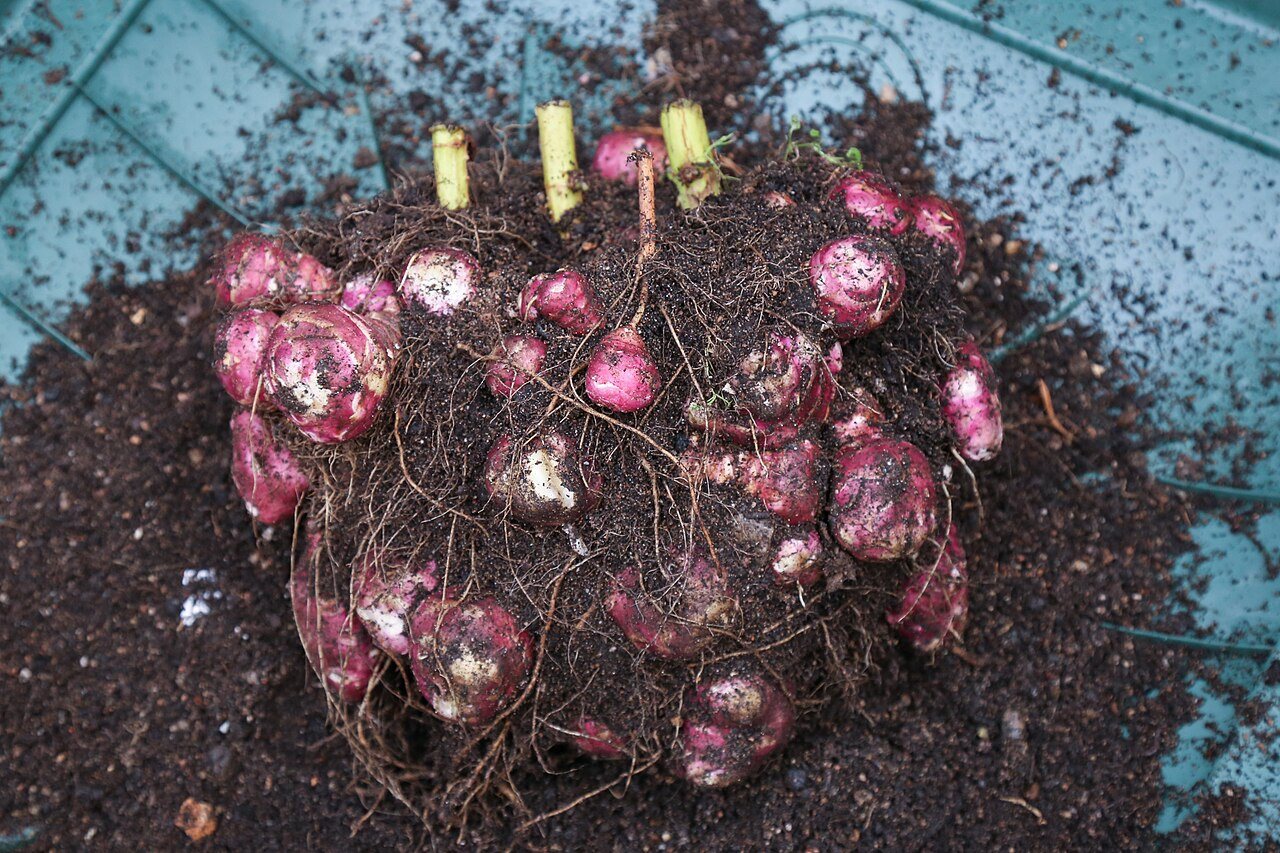
Jerusalem artichokes (sunchokes) are the easiest crop you'll ever grow — knobbly, nutty tubers on tall sunflower-like plants that all but grow themselves. So easy, in fact, that a raised bed is the perfect way to keep them in bounds.
Quick facts
- Position: full sun
- Spacing: 30–40 cm apart
- Tub depth: our 41 cm depth
- Time to harvest: 5–6 months
When should I plant Jerusalem artichokes?
Plant tubers in late winter to spring. They're hardy perennials that return from any tuber left behind — a raised bed helps contain their enthusiastic spread. Our free garden calendar shows the right months for your postcode.
- Subtropical (Brisbane & SEQ): July to September
- Temperate (Sydney, Melbourne, Adelaide, Perth): August to October
- Cool & mountain (Tasmania, Canberra, highlands): September to November
- Tropical (Cairns, Darwin): Not really suited to this zone
- Arid inland: August to September
How do I grow Jerusalem artichokes in a raised bed?
Plant tubers into any reasonable mix and stand back — the tall stems reach 2–3 m and bear cheerful yellow flowers. Give them a bed where their spreading won't be a nuisance.
How often should I water and feed Jerusalem artichokes?
Water through summer for a good crop, though they're very drought-hardy once established.
What pests attack Jerusalem artichokes?
Keep an eye out for aphids. Most are easily managed — see our safe pest guide.
What diseases affect Jerusalem artichokes?
The main ones are powdery mildew. Good airflow, morning watering and steady moisture prevent most.
What grows well with Jerusalem artichokes?
Grow them at the back where their height won't shade other crops; contain them to one bed. See our companion planting guide.
When do I harvest Jerusalem artichokes?
Dig the tubers after the tops die down in autumn and through winter. Leave a few in and they'll grow again — whether you want them to or not.
More growing guides: globe artichokes, sweet potato and potatoes.
Plan your patch: our free garden calendar shows what to plant now where you live. Ready to grow? Browse our raised garden beds or build your own with the garden bed builder.
Image: Maja Dumat (Flickr, Germany), CC BY 2.0, via Wikimedia Commons.