


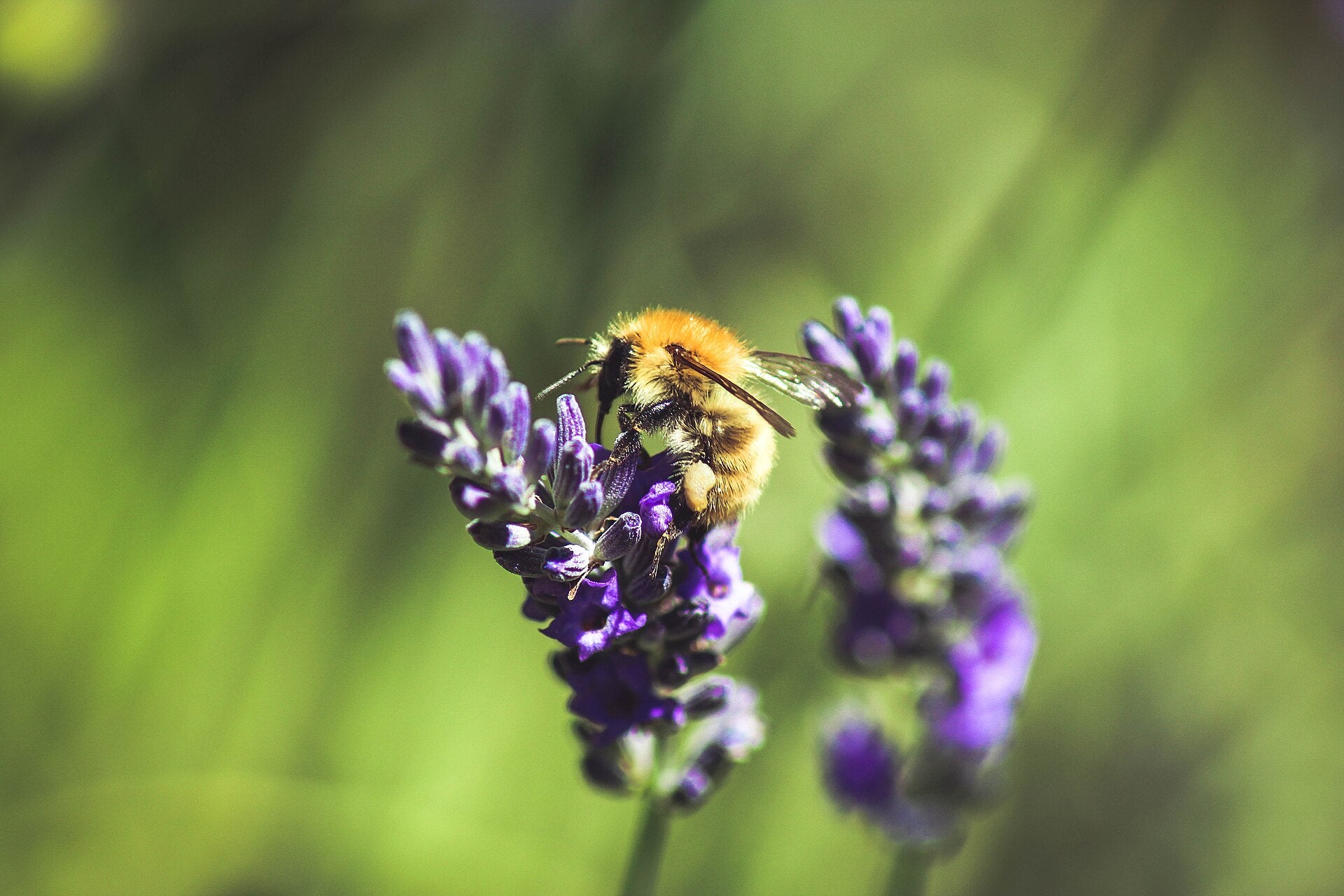
Lavender is the quintessential bee plant — fragrant, drought-hardy and beautiful, with edible flowers for baking and tea. It craves sun and sharp drainage, which a raised bed delivers perfectly.
Quick facts
- Position: full sun
- Spacing: 40–60 cm apart
- Tub depth: our 23 cm+ depth; sharp drainage
- Time to harvest: from year 1–2, seasonally
When should I plant lavender?
Plant in spring or autumn. Lavender is a hardy perennial shrub — choose a variety suited to your climate. Our free garden calendar shows the right months for your postcode.
- Subtropical (Brisbane & SEQ): March to May and September
- Temperate (Sydney, Melbourne, Adelaide, Perth): March to April and September to November
- Cool & mountain (Tasmania, Canberra, highlands): October to November
- Tropical (Cairns, Darwin): Not really suited to this zone
- Arid inland: March to April and September to October
How do I grow lavender in a raised bed?
Plant into free-draining, even gritty mix in full sun — the one thing it won't abide is wet feet, which a raised bed solves. Prune lightly after flowering to keep it bushy and stop it going woody.
How do I use it?
The flowers are edible in small amounts — lovely in shortbread, honey and tea. In the garden, lavender is one of the very best plants for drawing in bees and other pollinators.
What pests attack lavender?
Keep an eye out for aphids, though flowers are seldom much bothered. See our safe pest guide.
What are the common problems with lavender?
The main one to watch is powdery mildew, usually in damp, crowded conditions. Good airflow prevents most.
Where should I plant it?
Plant it in a hot, dry spot where the bees can find it; it pairs well with other Mediterranean herbs. See our companion planting guide.
More growing guides: society garlic, cosmos and bee balm.
Plan your patch: our free garden calendar shows what to plant now where you live. Ready to grow? Browse our raised garden beds or build your own with the garden bed builder.
Image: Loïc Mermilliod loacfr, CC0, via Wikimedia Commons.