



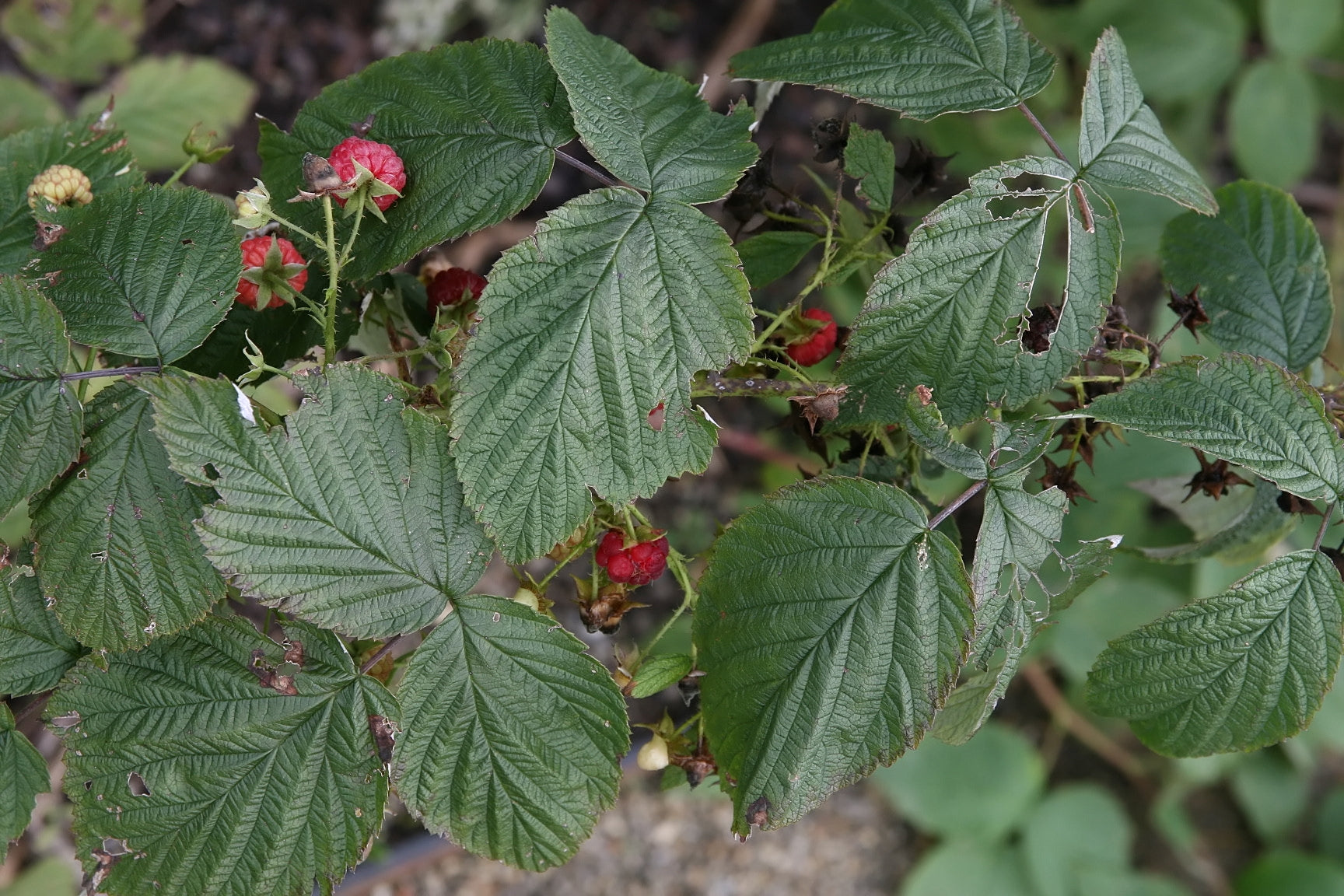
Few things beat a warm raspberry straight from the cane. A raised bed keeps these enthusiastic spreaders in bounds and gives their roots the rich, free-draining soil they love.
Quick facts
- Position: full sun to part shade
- Spacing: 40–50 cm apart
- Tub depth: our 41 cm depth
- Time to harvest: fruit from year 1–2
- Support: wires or a frame for the canes
When should I plant raspberries?
Plant canes in winter while dormant. Choose a low-chill variety for warm areas. Know whether yours are summer- or autumn-fruiting, as that changes how you prune. Our free garden calendar shows the right months for your postcode.
- Subtropical (Brisbane & SEQ): June to July
- Temperate (Sydney, Melbourne, Adelaide, Perth): June to August
- Cool & mountain (Tasmania, Canberra, highlands): June to September
- Tropical (Cairns, Darwin): Not really suited to this zone
- Arid inland: June to July
How do I grow raspberries in a raised bed?
Plant into rich, free-draining mix and set up wires or a frame to tie the canes to. A raised bed helps corral their spreading roots. Prune out the old fruited canes each year to make way for the new.
How often should I water and feed raspberries?
Keep the mix evenly moist, especially as the fruit swells; mulch well and feed in spring.
What pests attack raspberries?
Keep an eye out for aphids and two-spotted mite. Most are easily managed — see our safe pest guide. Birds are the bigger thief once the fruit colours. On a Grow Frame (or the kit, shipped Australia wide) the rails double as the frame to tie the canes to: tip them at the top rail and throw a net over once the first fruit sets.
What diseases affect raspberries?
The main ones are rust and powdery mildew. Good airflow, morning watering and steady moisture prevent most.
What grows well with raspberries?
Give them a bed of their own with support; keep them away from potatoes and tomatoes. See our companion planting guide.
When do I harvest raspberries?
Pick when the berries pull away cleanly from the core, leaving the plug behind — that's perfectly ripe. They don't keep, so eat or freeze them quickly.
More growing guides: blueberries, strawberries and cape gooseberries.
Plan your patch: our free garden calendar shows what to plant now where you live. Ready to grow? Browse our raised garden beds or build your own with the garden bed builder.
Image: Photo by David J. Stang, CC BY-SA 4.0, via Wikimedia Commons.