



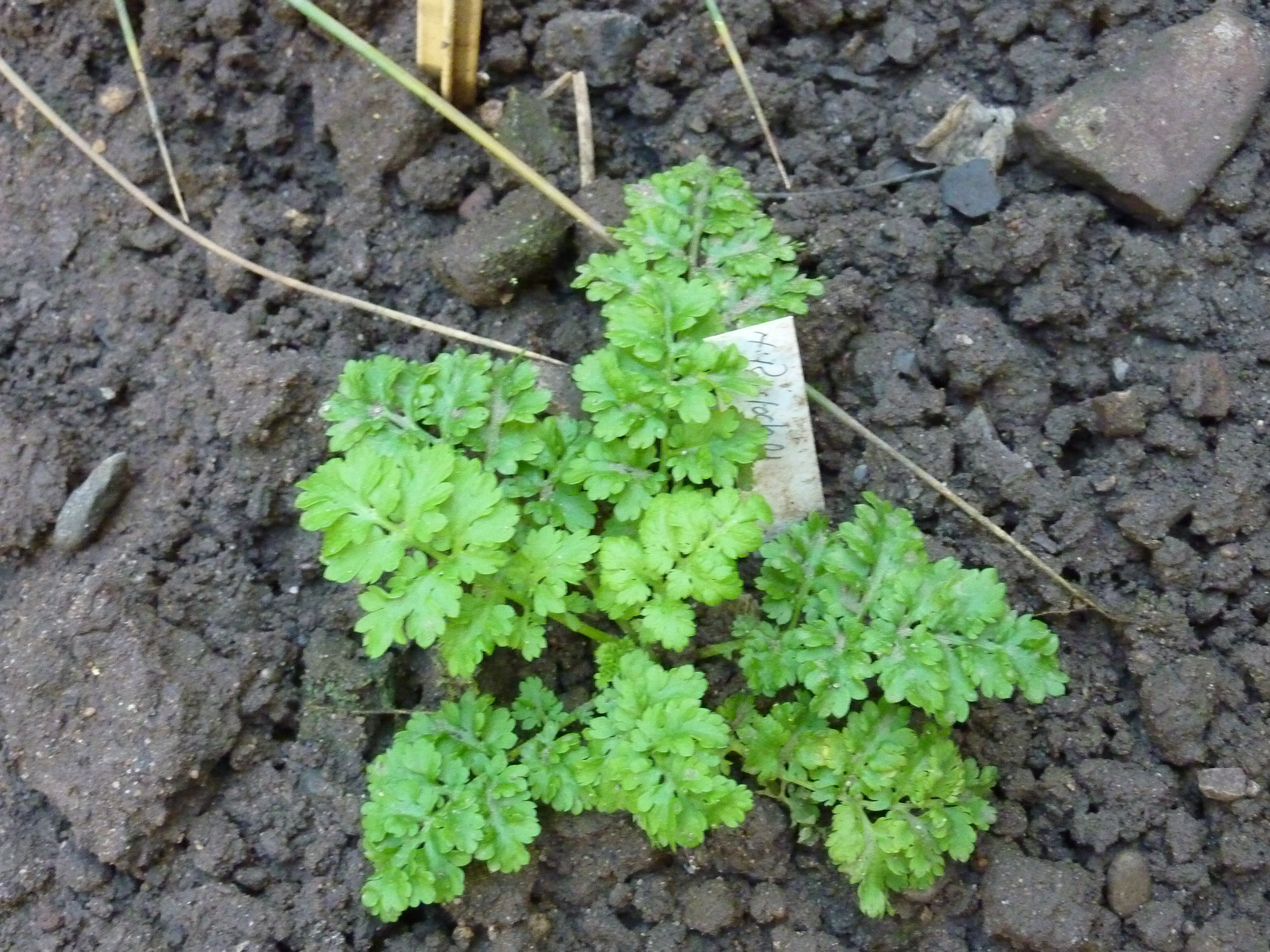
Pyrethrin is a natural insecticide made from the dried flowers of the pyrethrum daisy, a type of chrysanthemum. It's fast-acting and knocks pests down quickly — but it isn't fussy about what it hits, so it needs a careful hand in a food garden.
Which pests does it manage?
- Caterpillars
- Aphids
- Thrips
- Beetles
- Flies and other flying insects
How do I use it?
- Mix to the label.
- Spray directly onto pests in the cool of the evening.
- Keep it off open flowers — pyrethrin is toxic to bees and other good bugs until it dries.
- It breaks down fast in sunlight, so reapply if pests return.
What's good about it?
- Natural and fast-acting.
- Breaks down quickly, leaving little residue.
- Accepted in many organic gardens.
What's the catch?
- Not selective — it also kills ladybirds, bees and lacewings, so use it as a spot treatment, not a blanket spray.
- Toxic to fish.
- Short-lived, so it may need repeating.
Because it hits the good bugs too, we'd reach for neem oil or insecticidal soap first and keep pyrethrin for stubborn outbreaks. For the bigger picture, see our guide to managing pests safely.
Plan your patch: our free garden calendar shows what to plant now where you live. Ready to grow? Browse our raised garden beds or build your own with the garden bed builder.
Image: James Steakley, CC BY-SA 3.0, via Wikimedia Commons.