



← Back to the Garden Trouble Calendar
What is it?
Sooty mould is a black, soot-like coating on leaves — but here's the key: it's a symptom, not the real problem. It grows on the sugary honeydew that sap-sucking pests leave behind, so if you've got sooty mould, you've got a pest.
How do I spot it?
- A black, dusty or crusty film on leaves, stems and fruit that wipes off.
- Plants look grimy and get less light through the coating.
- Ants running up and down — they farm the pests for their honeydew.
Which plants does it affect?
Growing any of these? See our guides to tomatoes and cucumbers.
Citrus is a classic, but any plant carrying sap-suckers can get it.
What causes it?
The mould feeds on honeydew from aphids, whiteflies, scale and mealybugs. The mould itself doesn't infect the plant — but by blocking light it does slow it down.
How do I fix it?
- Deal with the pest and the mould stops coming back — that's the real fix.
- Hose or wipe the black film off once the pests are under control.
- Discourage the ants, which protect the pests from predators.
For the bigger picture, see our guide to managing pests and problems safely.
Plan your patch: our free garden calendar shows what to plant now where you live. Ready to grow? Browse our raised garden beds or build your own with the garden bed builder.
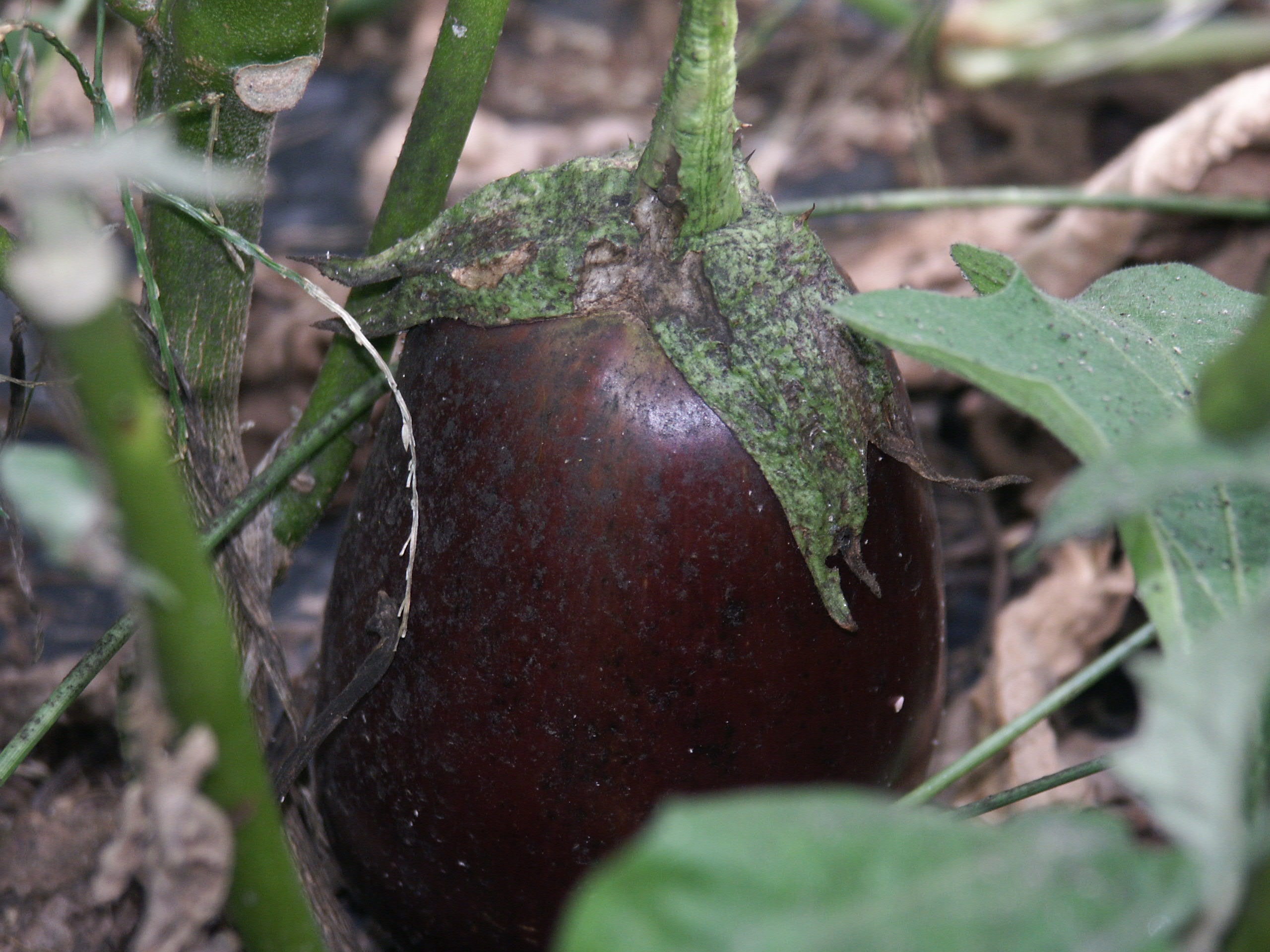
Image: Jochen Kreiselmaier, CC BY 4.0, via Wikimedia Commons.