


Yes, you can. It might sound like more is better, but too much fertiliser actually harms plants rather than helping them. Here is how to spot it, and how to get things back on track.
What are the signs of overfertilising?
- Lots of lush, leafy growth but very little fruit or flowers.
- Leaves turning yellow, brown or burnt-looking at the tips and edges.
- Plants that look weak or spindly despite being regularly fed.
- A white, crusty build-up on the surface of your premium potting mix.
Why it happens: when there is too much of one nutrient, it blocks the plant's ability to take up others. Nitrogen is the usual culprit. It pushes rapid leaf growth at the expense of everything else, which leaves you with a big bushy plant that barely produces.
How do I fix an overfertilised bed?
- Stop fertilising and give the bed a really thorough water to flush excess nutrients through the mix.
- If there is visible crust on the surface, scrape off the top couple of centimetres and replace it with fresh premium potting mix.
- Wait for the plant to recover before fertilising again, usually two to four weeks.
- When you restart, use a slow-release fertiliser at the rate on the packet, not more.
How to avoid it in the first place: a good premium potting mix already contains starter nutrients. Wait four to six weeks before adding any extra fertiliser, and use a liquid feed at half strength rather than full strength when plants are young. Less, more often, is the right approach.
For more on feeding your raised bed, see our fertilising guide.
More garden guides: how to fertilise a raised bed · compost vs potting mix · why drainage matters
What should I plant right now? Our free garden calendar tells you what suits your postcode this month. Ready to grow? Browse our raised garden beds or build your own with the garden bed builder.
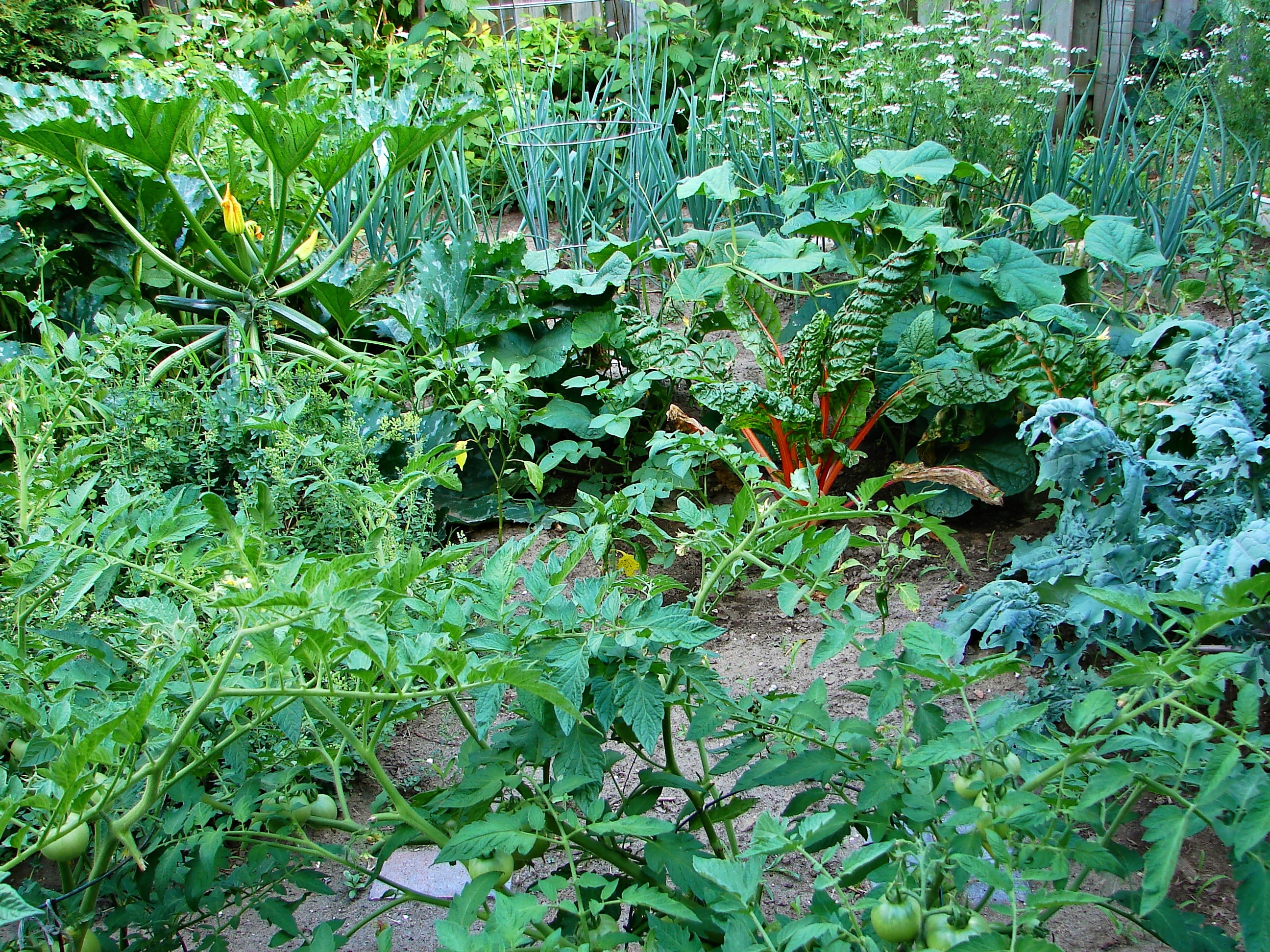
Image: Vegetable_garden_1, CC0, via Wikimedia Commons.