



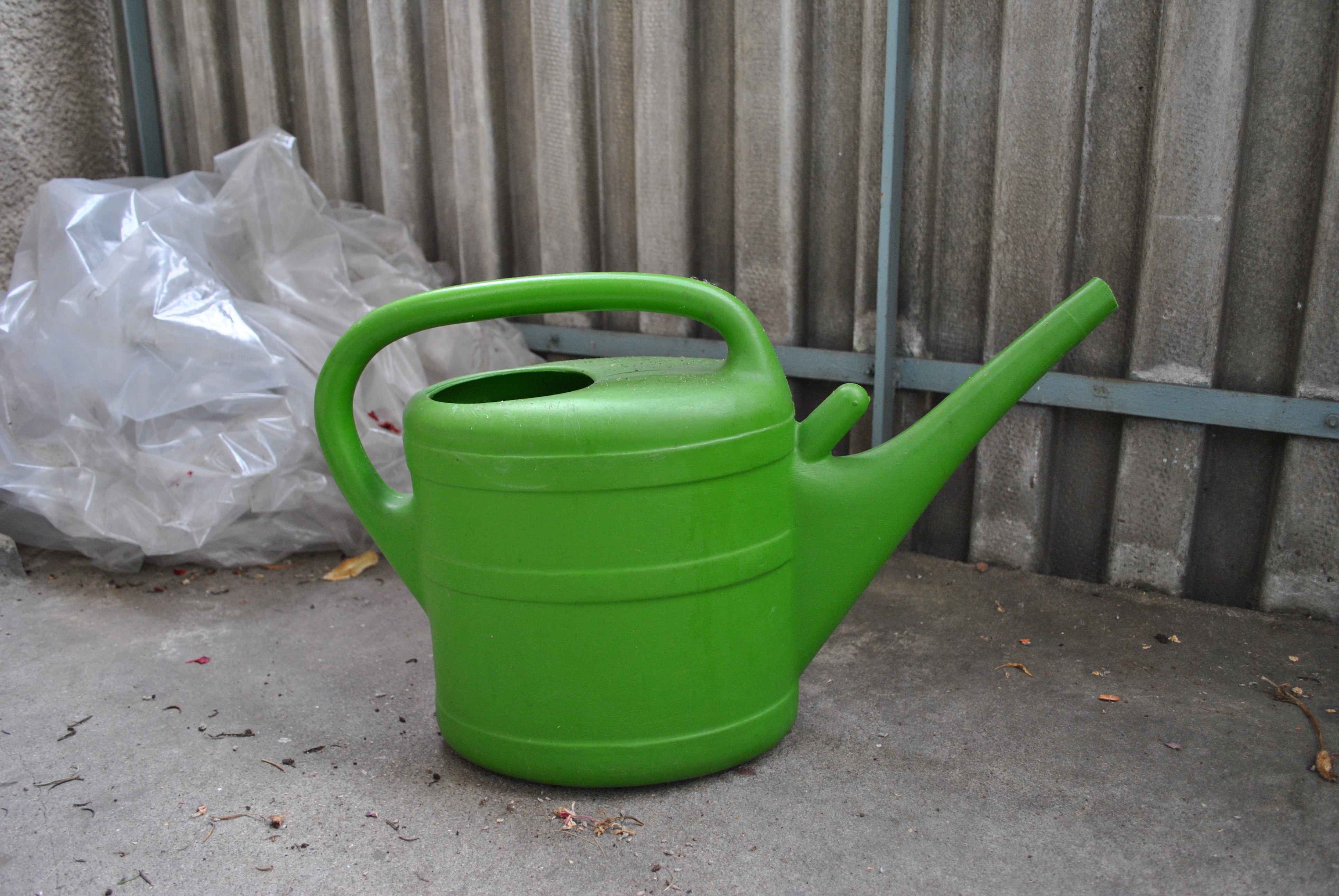
Good drainage is one of the most important things you can give a raised garden bed. When water cannot escape, it builds up around the roots and cuts off the oxygen plants need to stay healthy. The result is slow, stressed growth at best, and dead plants at worst.
What goes wrong without good drainage?
- Root rot. When roots sit in standing water for too long, they begin to break down. The plant wilts even though the growing medium is wet, which is a confusing sign that trips up many gardeners.
- Compaction. Waterlogged growing medium loses the air pockets that roots rely on. It becomes dense and heavy, which makes it harder for roots to spread and take up nutrients.
- Nutrient loss. Excess water flushes nutrients out of the growing medium faster than plants can absorb them. You end up fertilising more often and getting less result.
How do I make sure my raised bed drains well?
- Use a quality premium potting mix. Unlike garden soil, premium potting mix is designed to drain freely and hold air at the same time.
- Make sure there are drainage holes in the base of your container or bed.
- Do not compact the mix when filling. Pour it in loosely, then water it to let it settle naturally.
- Water deeply but less often rather than a little every day. This encourages roots to grow downward looking for moisture, which makes them stronger. If remembering to water is the hard part, there are three ways to make a bed water itself.
A note on raised beds specifically: one of the reasons raised beds grow plants so well is that they drain far better than in-ground gardens. There is no clay layer underneath, the mix stays loose, and the air-pruning holes in a Corrogarden tub actively encourage healthy root growth rather than roots circling the base.
Where does all that drained water actually go?
Straight onto the ground, in most gardens — into the lawn, onto the pavers, or into a permanently soggy patch under the bed. That is the trade-off that comes with free drainage, and it is fixable.
Our Drainage Capture channelling system puts a channel under the tub that collects run-off from every weep hole and pipes it out through a hose to wherever you want it — a watering can, the lawn, a nearby bed, or off the edge of a balcony. Catch it and you can also recycle it back onto the bed with a solar pump, which is worth reading if there is no tap near your beds.
For more on how our bed liners work, see our guide to drain matting. For how to fill your bed correctly from the start, see our filling guide.
More garden guides: what is drain matting? · three ways to make a bed water itself · convert your bed to wicking · common raised-bed mistakes
What should I plant right now? Our free garden calendar shows what suits your postcode this month. Ready to grow? Browse our raised garden beds or build your own with the garden bed builder.
Image: CC BY-SA 3.0, via Wikimedia Commons.