



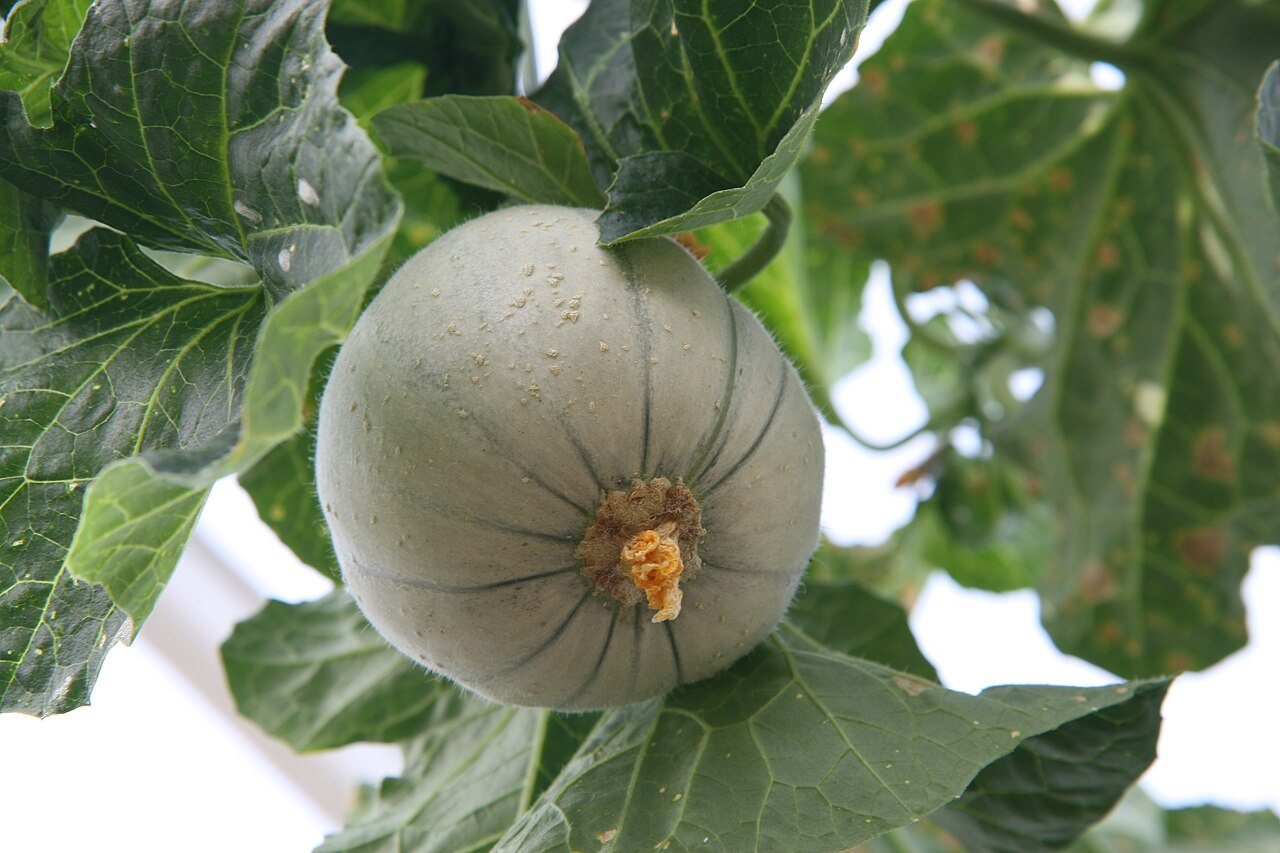
Rockmelon (cantaloupe) rewards a long, hot summer with sweet, fragrant fruit — and there's nothing like a sun-warmed melon from your own patch. A raised bed's warm soil gives it the heat it craves.
Quick facts
- Position: full sun, 6+ hours, loves heat
- Spacing: one plant per 1 m; vines sprawl
- Tub depth: our 35 cm depth
- Time to harvest: 12–16 weeks
When should I plant rockmelon?
Rockmelons are frost-tender and need a long hot season — plant from late spring into summer once the soil is thoroughly warm. Our free garden calendar shows the right months for your postcode.
- Subtropical (Brisbane & SEQ): September to January
- Temperate (Sydney, Melbourne, Adelaide, Perth): October to December
- Cool & mountain (Tasmania, Canberra, highlands): November
- Tropical (Cairns, Darwin): April to August
- Arid inland: September to November
How do I grow rockmelon in a raised bed?
Plant into rich, well-fed mix at the edge of a bed and let the vines trail out into the sun. Hand-pollinate a few flowers in the morning if bees are scarce. Rest developing fruit on a tile or straw to keep it off damp soil.
How often should I water and feed rockmelon?
Water deeply and evenly while the vines grow and fruit sets, then ease right off as the fruit ripens to concentrate the sugars. Keep water off the leaves.
What pests attack rockmelon?
Keep an eye out for aphids, the 28-spotted ladybird and fruit fly. Most are easily managed — see our safe pest guide.
What diseases affect rockmelon?
The main ones are powdery mildew, downy mildew and mosaic virus. Good airflow, morning watering and steady moisture prevent most.
What grows well with rockmelon?
Corn and beans make good companions; give the vines room to roam. See our companion planting guide.
When do I harvest rockmelon?
A ripe rockmelon smells sweet at the stem end and 'slips' — the stem separates with a gentle push. That fragrance is the surest sign it's ready.
More growing guides: watermelon, cucumbers and pumpkins.
Plan your patch: our free garden calendar shows what to plant now where you live. Ready to grow? Browse our raised garden beds or build your own with the garden bed builder.
Image: David J. Stang, CC BY-SA 4.0, via Wikimedia Commons.